Sapa trekking from Hanoi: Best travel tips and routes 2026
Authentic Sapa trekking experience from Hanoi: Travel itinerary, trekking route Cat Cat – Lao Chai – Ta Van with detailed costs and the most practical advice.
I have heard many people say: “If you want to see the real beauty of Northern Vietnam, try trekking in Sapa.” And so I decided to take the first Sapa trekking trip from Hanoi in my life – a journey not only to see the scenery but also to challenge myself.
Departing from Hanoi to Sapa – the first step for a memorable journey
Before the trip travel Vietnam, I booked a room at Golden Legend Hotel Hanoi on Agoda. The hotel is located near Hoan Kiem Lake, surrounded by small cafes and bustling night food stalls. I chose to stay here because it was convenient for catching a bus to Sapa early in the morning. The room was not big but clean, the staff was friendly and willing to help me book a limousine ticket departing at 7am.
My hotel room at Golden Legend Hotel Hanoi
The next morning, I left Hanoi while the city was still misty. The car ran smoothly on the Noi Bai – Lao Cai highway, passing through wide fields and deep green mountains in the distance. After about 5 hours, I arrived in Sapa town – the air was cool, with a bit of mist and the moist smell of the mountain soil permeating every breath.
Trekking Sapa starts from Cat Cat village
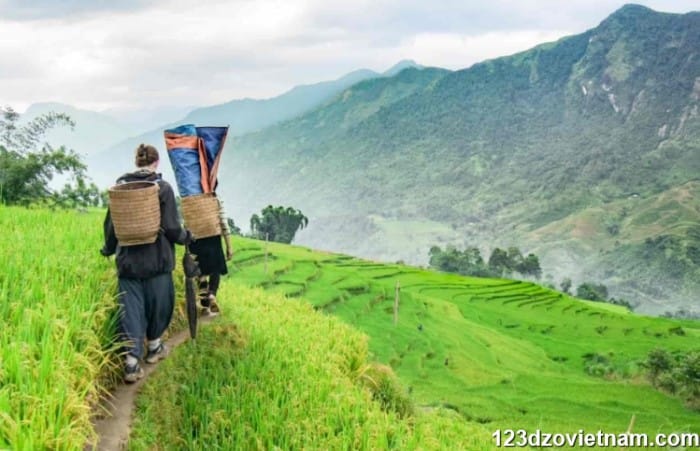
On the first afternoon, I and a small group of 5 people started the trekking journey to Sapa from Hanoi on a 2-day-1-night tour. The first stop was Cat Cat village, located about 2km from the center of Sapa. The road down to the village was winding, with terraced fields on both sides like rice waves. Along the way, I met H’Mong women in traditional costumes, carrying baskets on their shoulders and holding brocade frames. They walked and smiled, their gentle smiles amidst the thin mist.
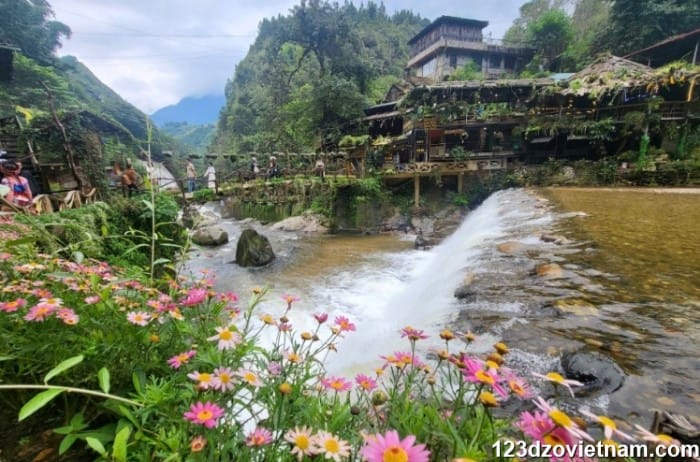
Nature at Cat Cat Village, Sapa
The sound of Cat Cat waterfall mixed with the sound of rice pounding mortars and the children calling each other. I stopped for a long time by the wooden bridge over the stream, watching the blue smoke rising from the roofs of houses in the distance – it felt like time passed much slower here than in Hanoi.
From Lao Chai to Ta Van – a picture of beautiful terraced fields
On the second day, we continued trekking from Lao Chai village to Ta Van village. This road is nearly 12km long, climbing up and down continuously but in return, the beautiful scenery cannot be described in words.
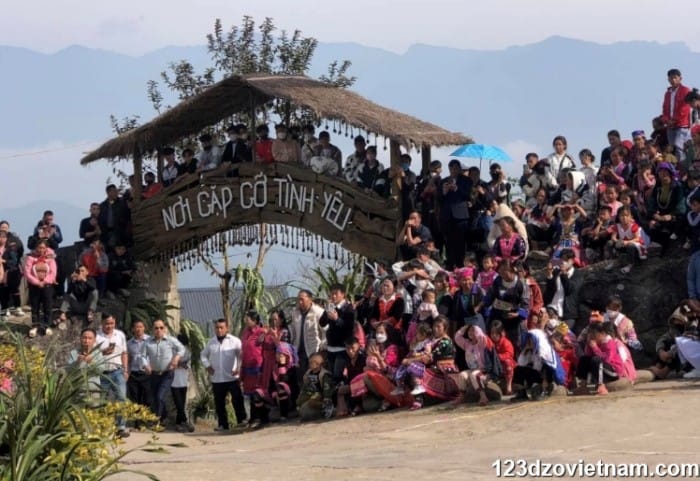
Ethnic people in Ban Lao Chai
From above, the terraced fields curve along the mountainside like golden silk strips. In the middle of that scene are small wooden roofs, smoke from the kitchen slowly rising. Sometimes we passed by a herd of buffalo grazing, children running after them, laughing, saying “hello” in broken English – a small moment that I will always remember.
At noon, we stopped to rest at a small restaurant in the middle of the road, eating fried eggs, rice and boiled vegetables. Not a luxury specialty, but in the cold of the mountains, that simple meal was surprisingly delicious.
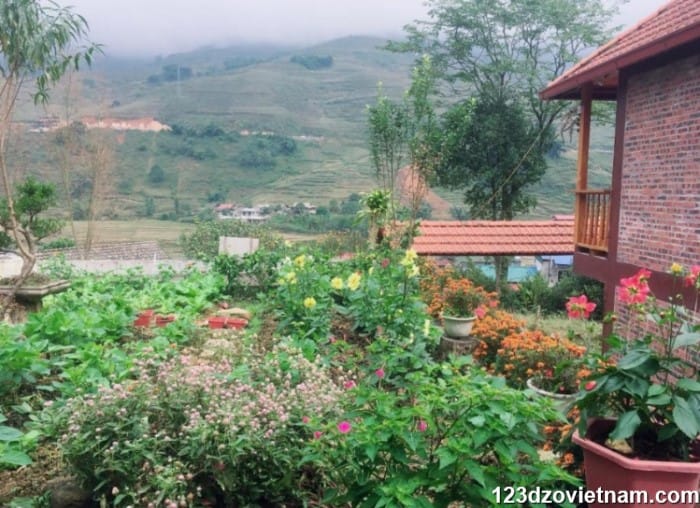
In the afternoon, when the sunlight faded, we arrived at Ta Van, where there are many homestays located among the terraced fields. I stayed at Ta Van Heaven Homestay – a wooden stilt house with a balcony overlooking Muong Hoa valley. That night, the owner cooked rice with local pork, stream fish and warm corn wine. I sat around the fire with some new friends, listening to them tell stories about the lives of the Dao and Hmong people.
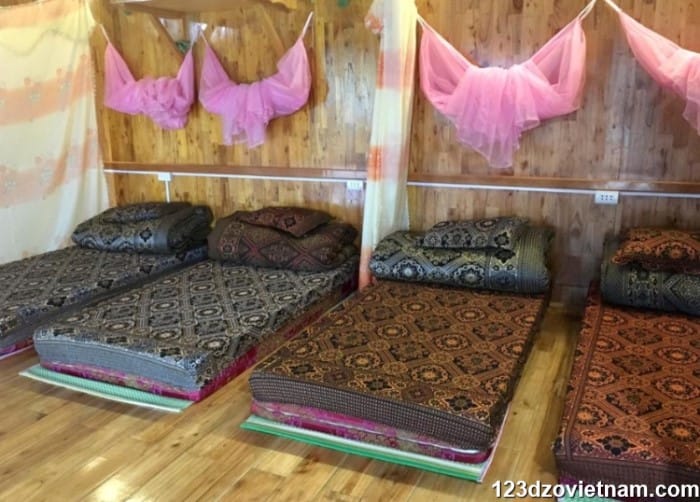
My room at Ta Van hotel
Beautiful and challenging trekking route
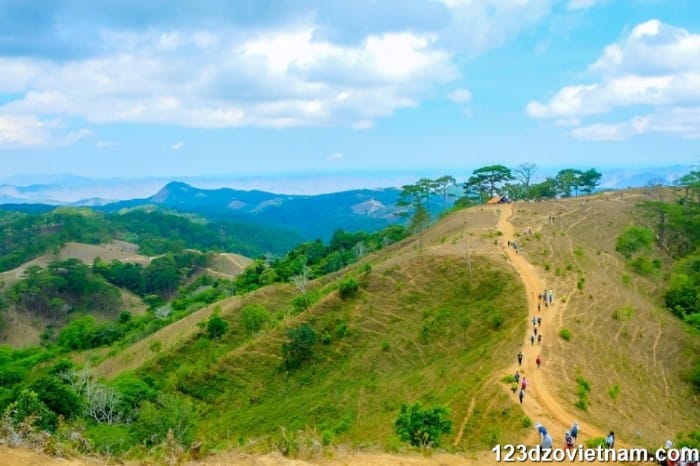
The Sapa trekking route that I chose was not too difficult, but enough to challenge me. The total distance was about 15km per day, with many steep sections, dirt roads and paths between fields. Sometimes I had to hold on to rocks to avoid slipping, but in return, each turn was a completely different scene: sometimes a small stream babbling, sometimes a misty valley, sometimes a field of wildflowers blooming white on the hillside.
The road through the fields of the northwest
What I like most is the feeling of being “separated from the noisy world”. No more car horns, no more phone rings – just the sound of wind and footsteps on the wet dirt road. I realized that trekking is not just about walking, but also about learning to slow down to see the simple beauty around you.
The road leading to the school on the hill
Costs when trekking Sapa and important notes
Travel and accommodation costs
My entire Sapa trekking trip from Hanoi lasted 3 days and 2 nights, costing about 3,500,000 VND, including:
1 night hotel in Hanoi: ~700,000 VND
Round-trip limousine ticket: ~900,000 VND
2 days and 1 night trekking tour: ~1,200,000 VND
Food, other expenses: ~500,000 – 700,000 VND
I booked everything through Agoda, which was very convenient because I could see reviews and real photos. If you go in a group of 2-3 people, the cost can be divided equally, saving a lot more.
Notes when trekking Sapa from Hanoi
After the trip, I have drawn out some practical advice:
Going in the dry season: September – November or March – May is the most ideal, the roads are dry, the scenery is beautiful.
Prepare physical strength: trekking about 5-6 hours a day, should practice walking or climbing stairs first.
Good shoes and light raincoat: non-slip shoes are the most important thing.
Respect local culture: do not take photos of people without permission.
End of the journey – lasting emotions
On the bus back to Hanoi, I sat by the window watching the Hoang Lien Son range disappear into the clouds. All fatigue disappeared, leaving only a feeling of gratitude – because I dared to step out of my comfort zone to explore another part of Vietnam.
The Sapa trekking from Hanoi is not only a tourist journey, but also a journey to find peace of mind. If you are looking for a place to breathe fresh air, listen to the wind and feel the slow pace of life, try coming to Sapa once – I believe you will love this place like I did.