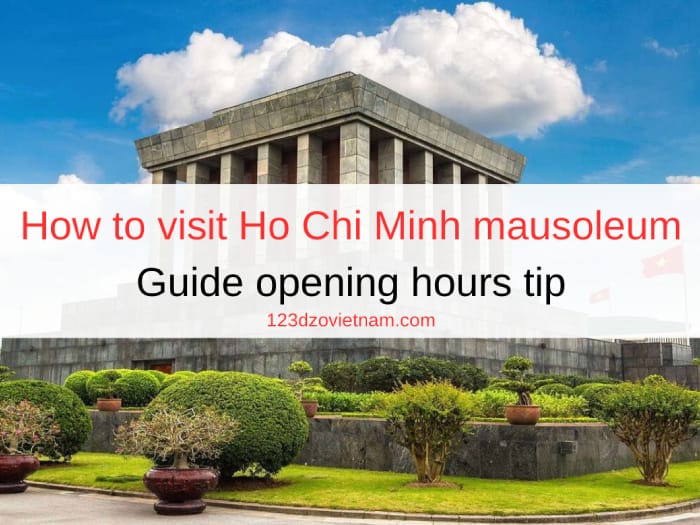
How to visit Ho Chi Minh mausoleum | Guide opening hours tip
How to visit Ho Chi Minh mausoleum? Open tue-sun 7:30-11:00, free entry. Tourists take bus or taxi to Ba Dinh Square then walk to the mausoleum with guidance.
Visiting the Ho Chi Minh Mausoleum was an incredibly solemn and moving experience for me. The quiet atmosphere along with the deep respect of the queue of people helped me clearly feel the patriotism and gratitude that the Vietnamese people hold for their leader.
Introduction to the Ho Chi Minh Mausoleum
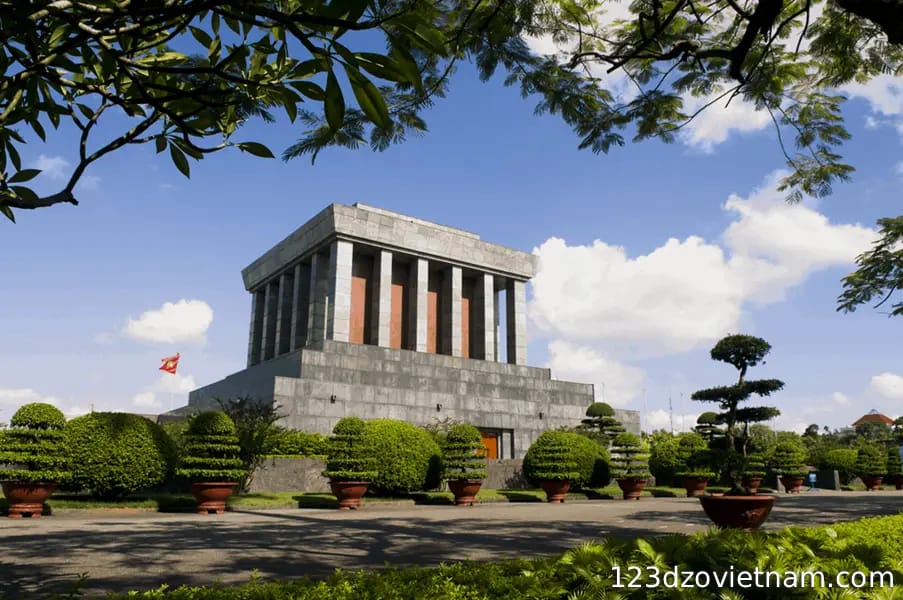
The Ho Chi Minh Mausoleum is the place that brought me the most emotional moments while travel Vietnam and visiting Hanoi. Construction of the project began in 1973 and was officially inaugurated in 1975, right after the unification of Vietnam, in order to preserve the body of this great leader of the nation.
Introduction to the Ho Chi Minh Mausoleum
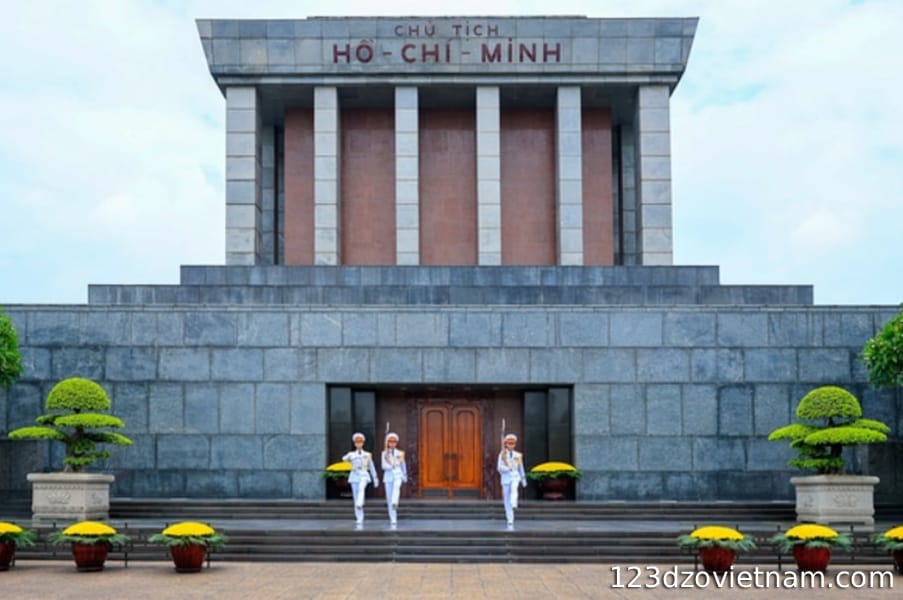
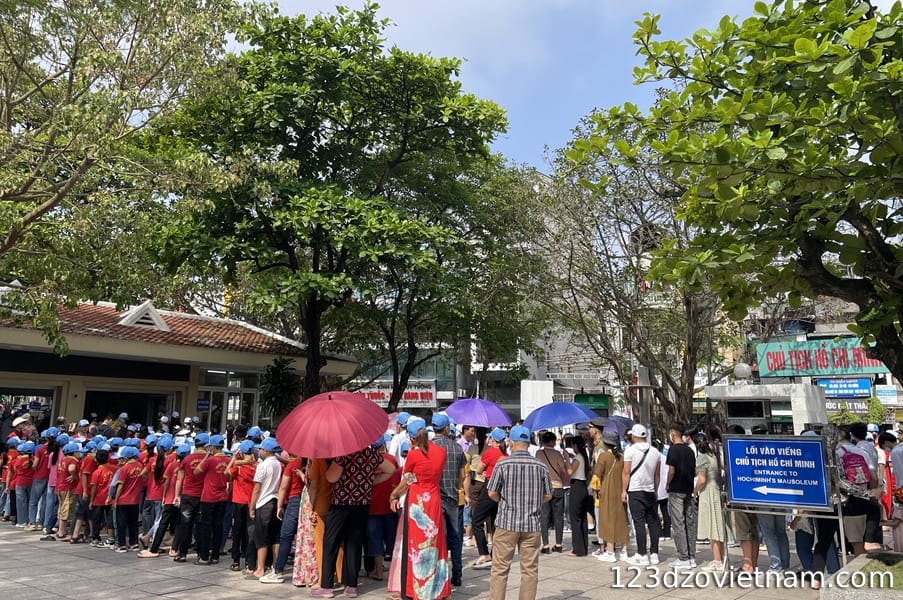
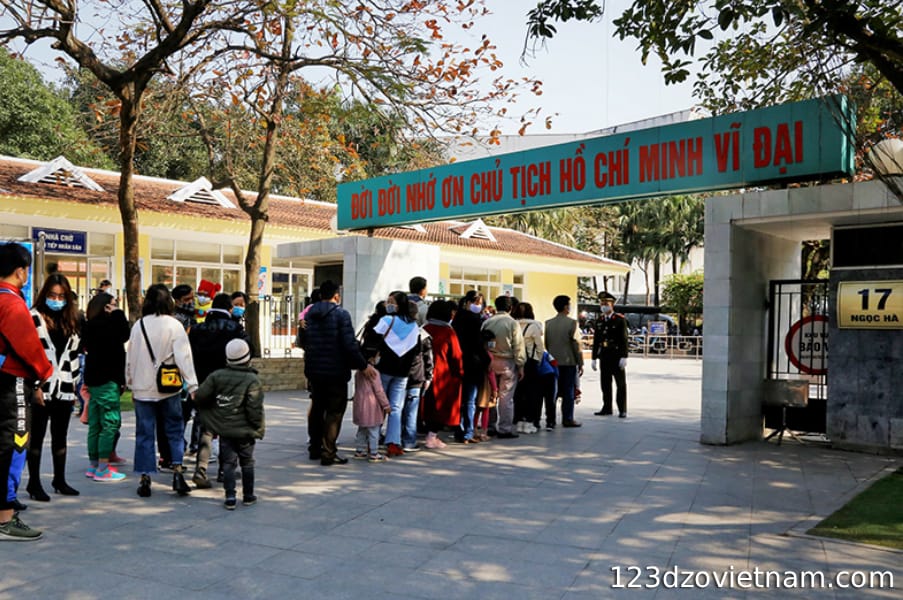
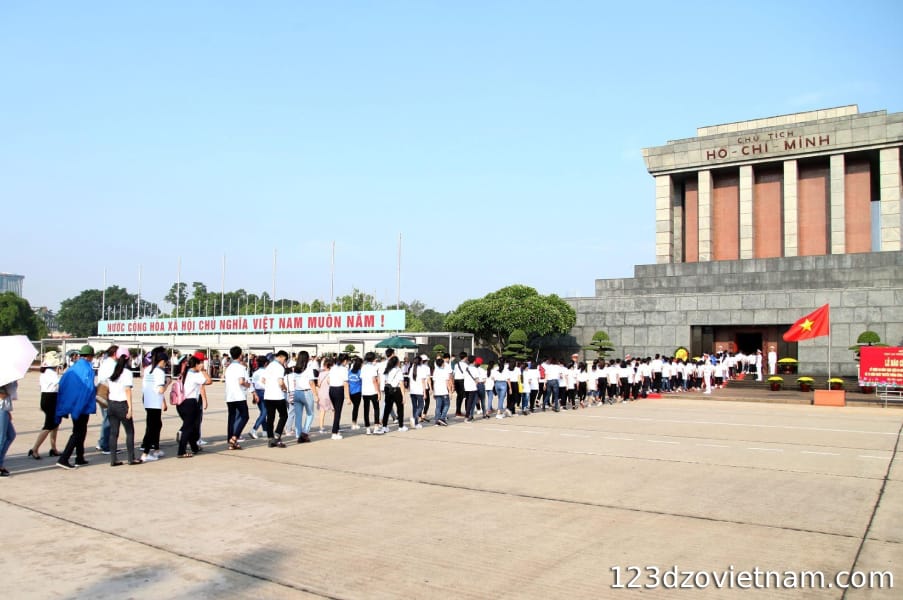
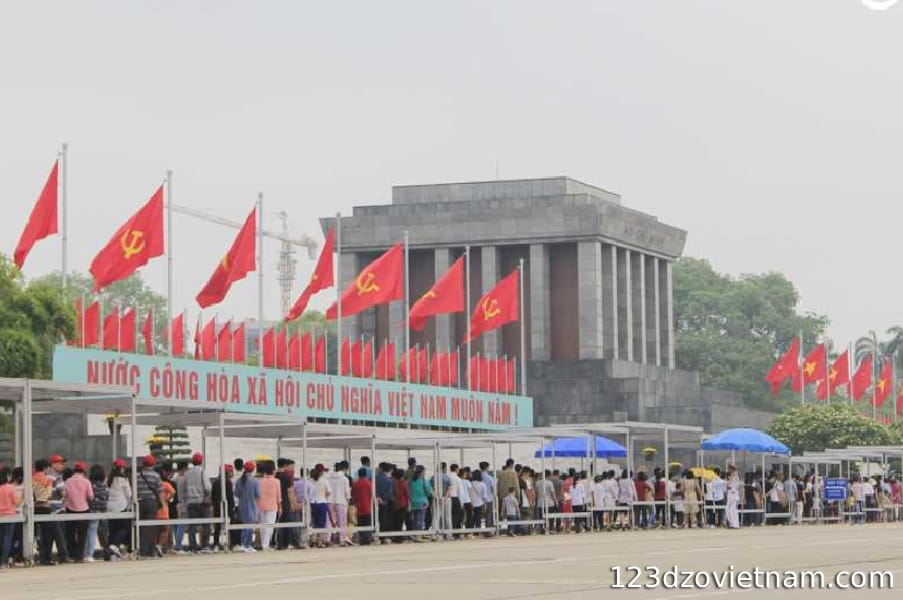
For a foreign tourist, standing before this solid and majestic stone block architectural work helped me understand much more about a resilient historical period of Vietnam. Coming here, I was truly overwhelmed by the long line of people queuing in absolute silence and respect.
Ho Chi Minh Mausoleum holds great significance for the Vietnamese people
The Ho Chi Minh Mausoleum is not only a historical monument, but also a sacred spiritual symbol, a place that expresses the deep gratitude and immortal national pride of the Vietnamese people. Witnessing that reverence, I felt the strong spiritual bond and passionate patriotism of the people here, making my trip more meaningful than ever.
Detailed guide to visiting the Ho Chi Minh Mausoleum for tourists
When planning to visit the Ho Chi Minh Mausoleum, I searched for how to visit Ho Chi Minh mausoleum and did very careful research to ensure a smooth trip. Below are the practical experiences from my journey, helping you to be proactive and easily visualize the steps when coming to this solemn place.
#1. How to get to the Ho Chi Minh Mausoleum
The Mausoleum is located at No. 2 Hung Vuong, Ba Dinh District, a very central position in Hanoi. During this trip, I stayed at a homestay right in the Old Quarter area, so it was only about 3 km away from the mausoleum.
How to get to the Ho Chi Minh Mausoleum
To make it in time for the morning opening hours, I booked a Grab Car for about 50,000 VND (around 2 USD), taking less than 15 minutes to arrive without worrying about getting lost. You can also easily hail a traditional taxi right on the street to travel similarly.
Bus to Ho Chi Minh Mausoleum
In addition, if you want to save costs, you can take a bus via routes 09, 22, 33, 45, or 50. For those who drive a motorbike or car by themselves, there are spacious parking lots available around the mausoleum along Ngoc Ha, Ong Ich Khiem, or Hoang Dieu streets, which is very convenient.
#2. Opening hours and visiting time
The mausoleum is closed on mondays and fridays for maintenance, unless it coincides with certain major holidays when it remains open, so it’s important to check Ho Chi Minh mausoleum closed before planning your visit. From tuesday to thursday, the mausoleum welcomes visitors from 7:30 to 10:30 in the summer and from 8:00 to 11:00 in the winter.
Opening hours and visiting time
Particularly on Saturdays and Sundays, the visiting time is extended, specifically from 7:30 to 11:00 in the summer and from 8:00 to 11:30 in the winter, so always confirm the latest Ho Chi Minh mausoleum opening hours to avoid missing your chance to enter.
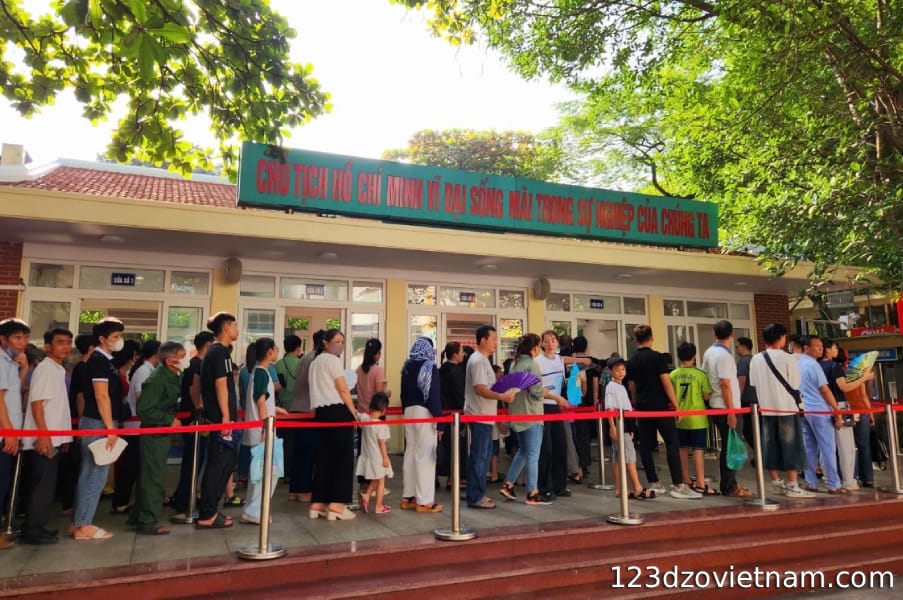
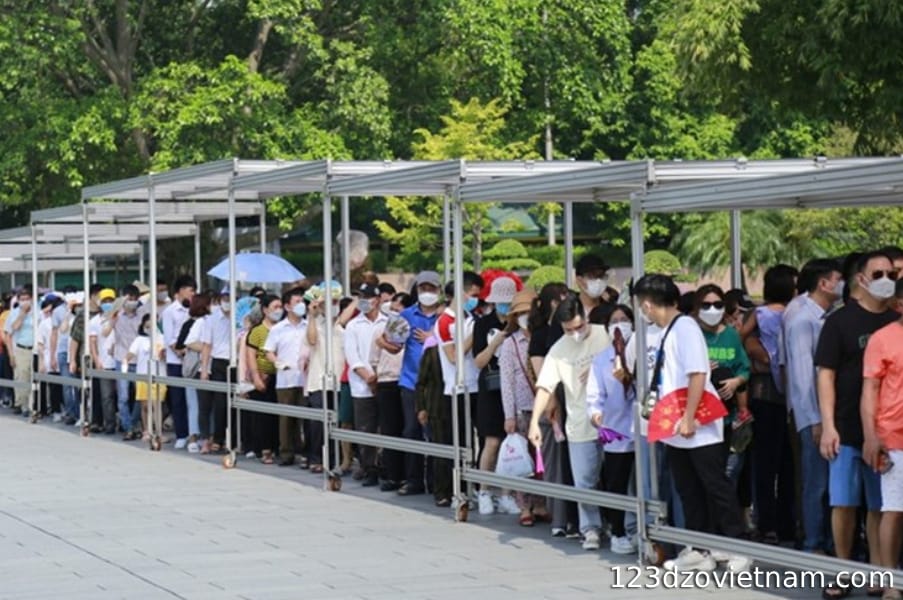
On my first time visiting this city of Vietnam, I was a bit subjective and did not account for the queue of people, so I only arrived at 9:30 AM. As a result, I had to face an endlessly long line moving inch by inch under the weather that was starting to get sultry.
Foreign tourists need to pay fees for other attractions
When I was only a short distance away from the security gate, the loudspeaker announced that it was closing time, leaving me and many other late-coming tourists with no choice but to regretfully return and come back the next morning. I sincerely advise you to be present from around 6:30 or 7:00 AM so that the queuing process takes place quickly and more smoothly.
#3. Ticket prices for the mausoleum and surrounding areas
The entrance ticket to visit the Ho Chi Minh Mausoleum is completely free for everyone, including international guests. However, if you want to visit the historical relic sites located within the grounds, you need to buy separate tickets with cash. Specifically:
Ticket prices for the mausoleum and surrounding areas
Ticket to the President Ho Chi Minh Relic Site at the Presidential Palace is 40.000 VND per person (~1.5 USD)
Ho Chi Minh Museum is 40.000 VND per person (around 1.5 USD)
One Pillar Pagoda is 25.000 VND per person (equivalent to 1 USD)
The ticket counters here only accept Vietnamese Dong cash and do not accept payments in foreign currencies like USD, nor do they support swiping international cards or Visa cards, so it’s important to check Ho Chi Minh mausoleum Hanoi entrance fee in advance before your visit.
That day, I forgot to exchange much local currency so I had to confusedly look for an ATM outside to withdraw cash, so please remember to exchange your USD into Vietnamese Dong in advance or prepare small denomination cash before coming.
#4. Regulations when visiting the Ho Chi Minh Mausoleum
The strictest regulation here is that attire must be polite and discreet, with sleeved shirts and pants or skirts longer than the knees. If you are searching for how to visit Ho Chi Minh mausoleum, you should be aware of these dress rules before arriving.
Modest attire required when visiting Ho Chi Minh Mausoleum
I witnessed a tourist wearing short shorts who was refused entry into the queue by a security officer, being forced to go to the service counter outside to buy a large cloth wrap to cover their legs.
Before entering, all luggage must go through a security checkpoint just like at an airport. You must leave large backpacks and cameras at the designated place. Mobile phones can be carried along but must be muted or turned off.
Visitors must queue in an orderly manner
It is absolutely forbidden to take photos or record videos inside the mausoleum on your own, if you violate this, the security forces will confiscate the device or invite you out immediately. Throughout the process of walking in line, you need to maintain silence, not jostle, and take off hats and sunglasses when entering the room where the remains are preserved.
My journey to visit the Ho Chi Minh Mausoleum usually takes place along a very orderly one-way walking path. After queuing and entering inside the room preserving the remains to express respect, the crowd will continue to follow the exit leading straight into the backyard grounds.
Filming and photography are not allowed inside the mausoleum
Here, you will stroll past the fish pond, the stilt house where Uncle Ho used to live and work, and then walk through the cool green bamboo groves before finishing the tour loop and stepping out to the outside area.
The design of this one-way path is very convenient, helping the flow of people move continuously and opening up immediately to other famous historical and cultural attractions located right next to the mausoleum that you can easily combine to visit, including checking Ho Chi Minh museum Hanoi opening times to plan your schedule more efficiently.
Suggestions for 04 attractions near the Ho Chi Minh Mausoleum
In addition to visiting the mausoleum, you can easily combine a Hanoi city tour 1 day itinerary with a visit to 04 famous tourist spots located right next door including Ba Dinh Square, Ho Chi Minh Museum, One Pillar Pagoda, and the Imperial Citadel of Thang Long for a complete tour.
Ba Dinh Square
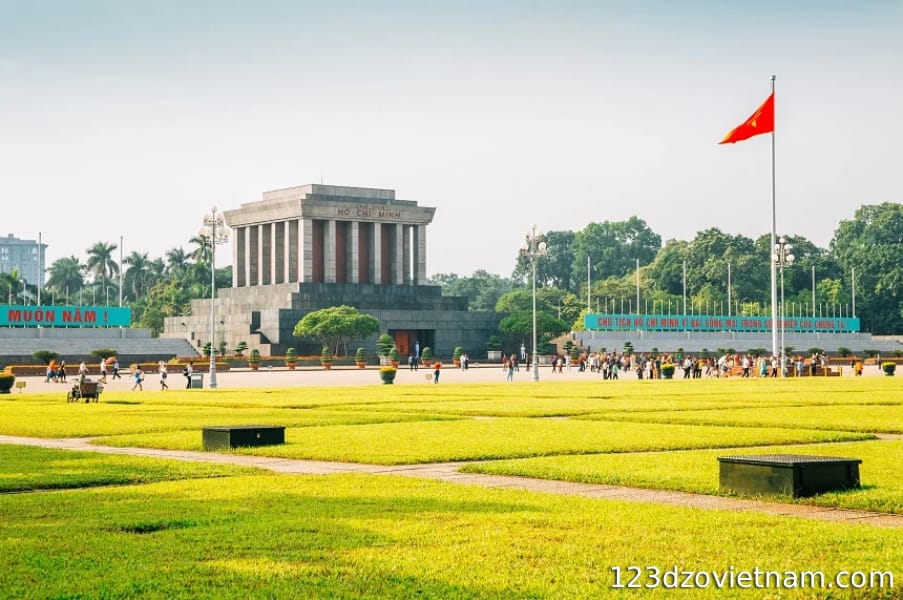
Right when stepping out of the mausoleum, you will stand before a vast space with stretching green grass mats. This is the very place where President Ho Chi Minh read the Declaration of Independence, giving birth to the nation of Vietnam.
Ba Dinh Square
The feeling of standing in the middle of the windy square and watching the flag flying brings an indescribable emotion, very ideal for strolling and taking souvenir photos.
Ho Chi Minh Museum
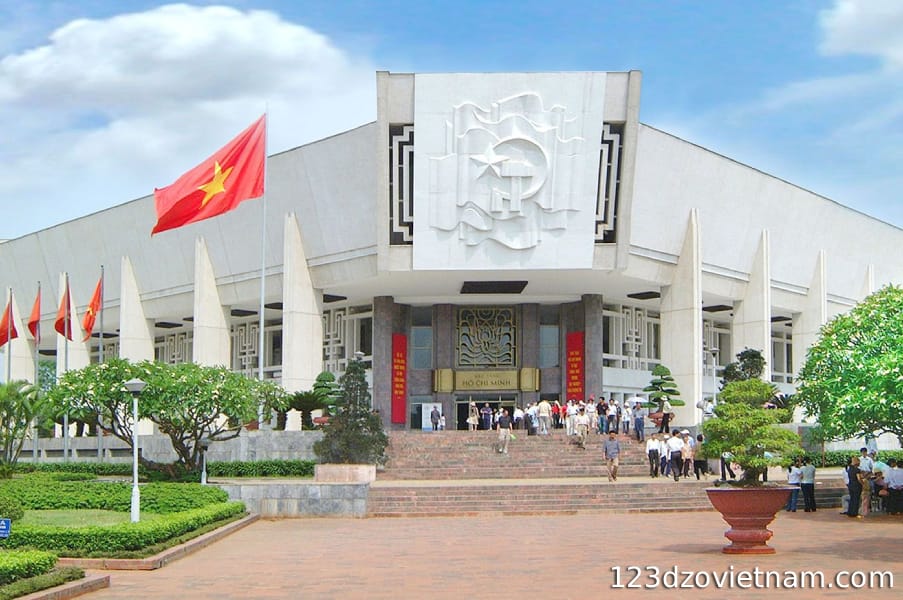
Located right within the relic site complex, this is the place that helps you understand deeper about the life of Vietnam’s leader. The museum displays thousands of historical documents and artifacts in a very modern installation art style. For a foreign tourist, visiting this place is like an impressive journey back in time.
Ho Chi Minh Museum
One Pillar Pagoda
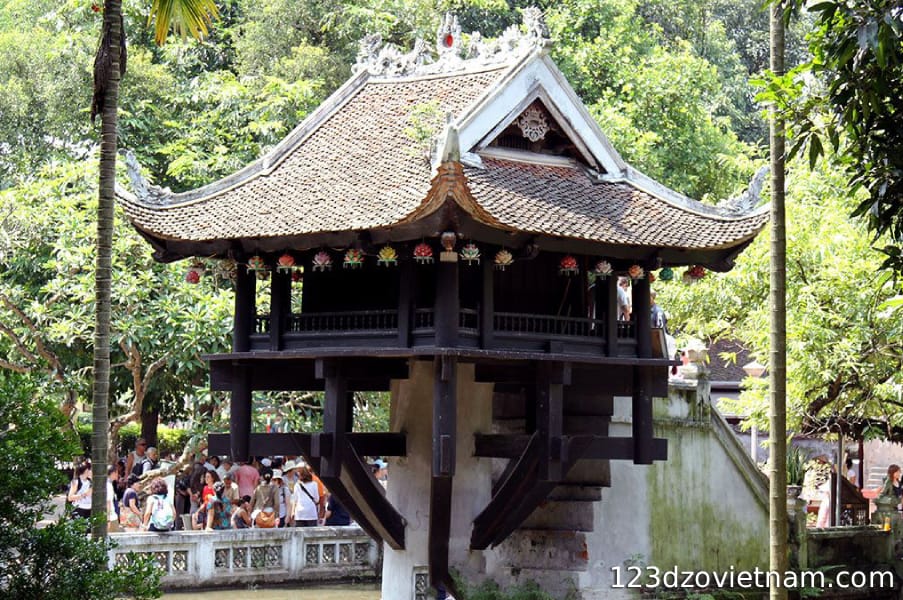
Just a few steps away from the museum, this ancient pagoda is one of the most unique spiritual cultural symbols of Hanoi. True to its name, the entire wooden architecture is placed on a single stone pillar in the middle of a lotus pond, mimicking the shape of a blooming lotus flower, which made me extremely interested.
One Pillar Pagoda
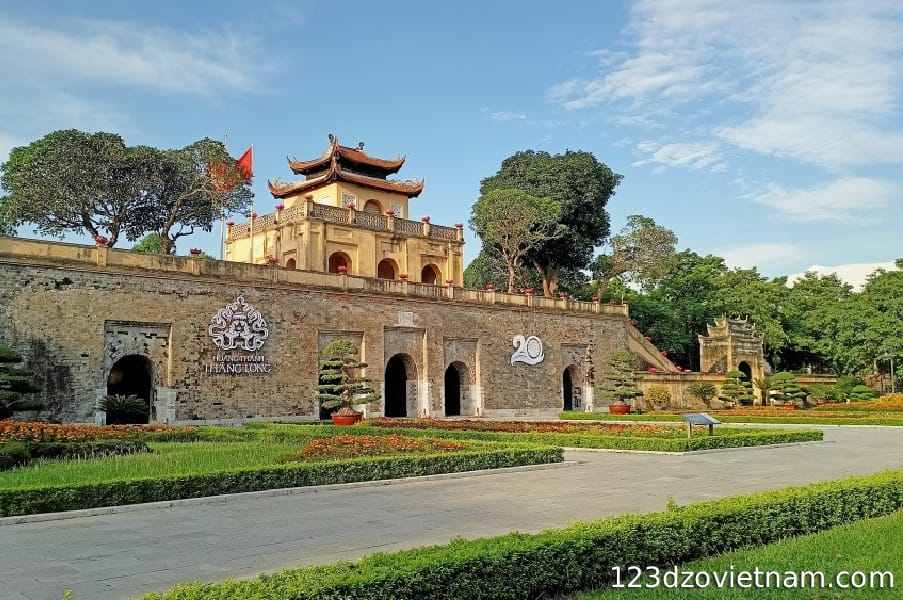
Imperial Citadel of Thang Long
Located not far from the mausoleum, this UNESCO World Cultural Heritage site was once the ancient capital center of many feudal dynasties of Vietnam. Exploring the solid citadel gates and archaeological sites here is the perfect way for you to close a full day of learning about the history of the capital.
Imperial Citadel of Thang Long
Conclusion
The visit to the Ho Chi Minh Mausoleum was not only a valuable historical experience but also a profound spiritual moment reflecting the patriotism of the Vietnamese people. If you are wondering how to visit Ho Chi Minh mausoleum, this is a must-see when traveling to Hanoi.