Hanoi five gates tourist train | 3h northern Vietnam culture
Hanoi five gates tourist train runs from Hanoi Station via Long Bien, Gia Lam, Yen Vien to Tu Son, visiting Do Temple with a folk music and craft villages tour.
As a first-time foreign tourist, I was completely attracted to the train route through 5 gates of Hanoi thanks to the unique perspective connecting the ancient and modern features of the city. The trip is not only convenient but also an interesting journey to see the life of the capital from above.
Why did I choose the 5-door train from Hanoi?
I scrolled through my phone and accidentally stopped by a friend’s post taken through a large glass window, looking out at the blue sky connecting Hanoi and Kinh Bac land during travel Vietnam. The exciting sharing about a heritage journey immediately aroused my curiosity.
Why did I choose the 5-door train from Hanoi?
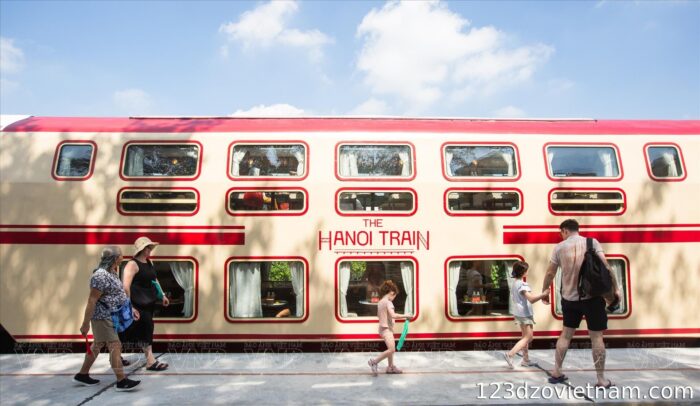
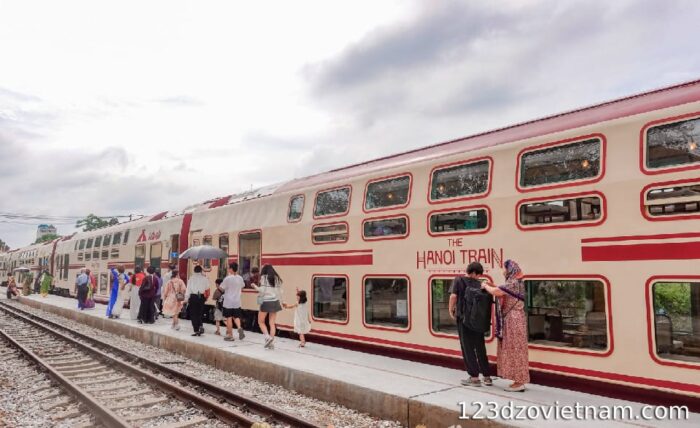
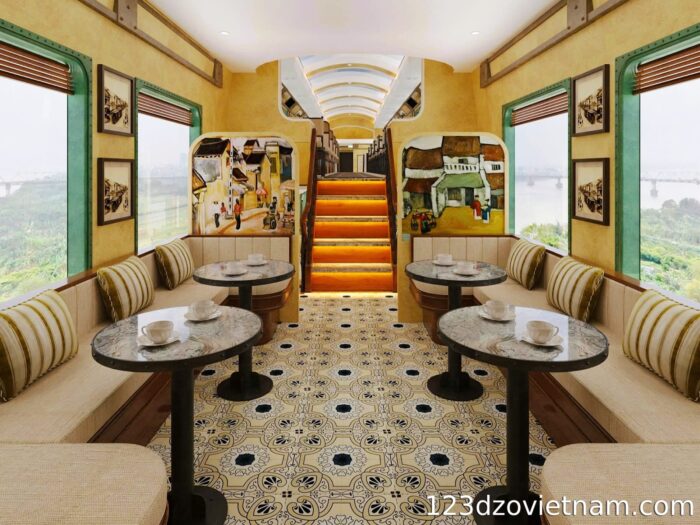
Looking more closely, I learned that this is a new tourism product inspired by the ancient Thang Long citadel, featuring five luxurious double-decker train cars named after five ancient doors: Cau Den, Quan Chuong, Cau Giay, Cho Dua, and Dong Mac. Each train car is designed according to its own theme, telling the cultural story of thousands of years of civilization in this ancient land.
new tourism product inspired by the ancient Thang Long citadel
The unique intersection between modernity and history made me not hesitate and immediately book a ticket to experience this new perspective on the capital for myself.
Ticket prices and how to buy 5-door train tickets
Before departure, finding out the cost and how to book a seat on the Hanoi five gates tourist train is an important preparation step for the trip to go smoothly. With reasonable prices and many convenient ticket booking channels, owning a nice seat on the journey to explore this capital is actually easier than I thought.
#1. Reference ticket price for first-time experiencers
Before leaving, finding out the costs and how to make a reservation is the most important preparation step to ensure your journey to explore the capital goes smoothly. With reasonable prices and extremely convenient ticket booking channels, owning a beautiful spot on this heritage train turned out to be much easier than I thought.
Reference ticket price for first-time experiencers
Hanoi 5 Cua O train ticket prices are applied flexibly depending on each train car with its own unique design and theme:
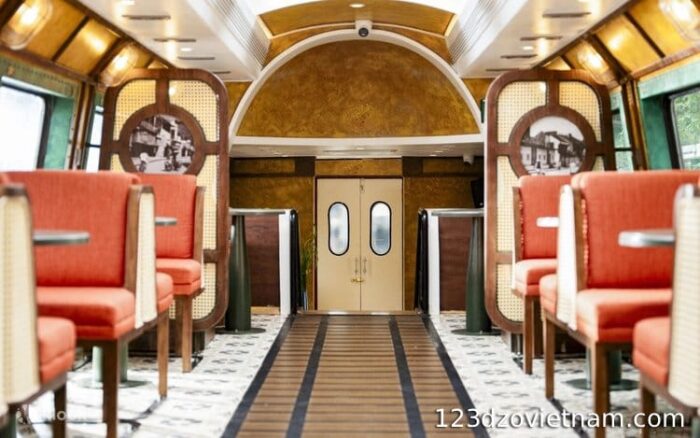
O Cau Den Carriage: recreates a space where the ancient and modern characteristics of the old city gates converge. Prices are 550,000 VND (~22 USD) for the first floor and 650,000 VND (~26 USD) for the second floor and jump seats.
O Cau Giay Carriage: a space deeply imbued with the cultural identity of a region renowned for its scholarly tradition and traditional craft villages. Prices are 550,000 VND (~22 USD) for the first floor and 650,000 VND (~26 USD) for the second floor and jump seats.
O Quan Chuong Carriage: inspired by the only remaining intact city gate, this carriage reflects rich history and unique, time-worn architectural features. Prices are 550,000 VND (~22 USD) for the first floor and 650,000 VND (~26 USD) for the second floor and jump seats.
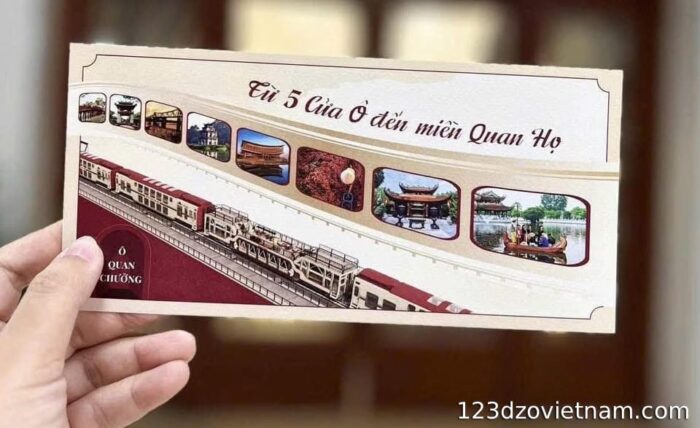
Reference ticket for first-time experiencers
O Dong Mac Carriage: recounts stories of soldiers and the valor of the ancient capital. Prices are 550,000 VND (~22 USD) for the first floor and 650,000 VND (~26 USD) for the second floor and jump seats.
O Cho Dua Carriage: the train’s most exclusive VIP carriage, featuring a uniform price of 750,000 VND (~30 USD) for the first floor, second floor, and jump seats. Designed in a luxurious Hanoi studio style, it offers a spacious environment with large, comfortable reclining seats, priority service, and an ideal setting for photos.
The train’s seating system is designed flexibly to fully meet all passenger experience needs. Guests can choose quiet single seats close to the window for solo trips, couple seats with wide viewing angles for couples, or family seat clusters with communal tables and consecutive rows of communal seats so that groups of friends and large groups can easily connect and interact throughout the journey.
#2. How to book a 5-way bus ticket to Hanoi
Similar to booking tickets for other public transportation, to own a ticket to experience the journey with the Hanoi five door tourist train, visitors can choose one of three flexible booking methods below:
How to book a 5-way bus ticket to Hanoi
Book tickets via the hotline (1900 636 212): this method helps you receive direct advice from a professional team, very suitable for groups or people who need detailed assistance with the schedule, even though call charges and waiting time may arise during peak hours.
Book tickets via Hotline/Zalo: this form of exchange via text message provides high flexibility, helping visitors easily receive seating charts, actual images, and personalized ticket information quickly.
Book tickets via online form: you can access the website system hanoi5cuao.com to proactively look up transparent information and perform reservation operations anytime, anywhere without wasting time waiting for staff to respond.
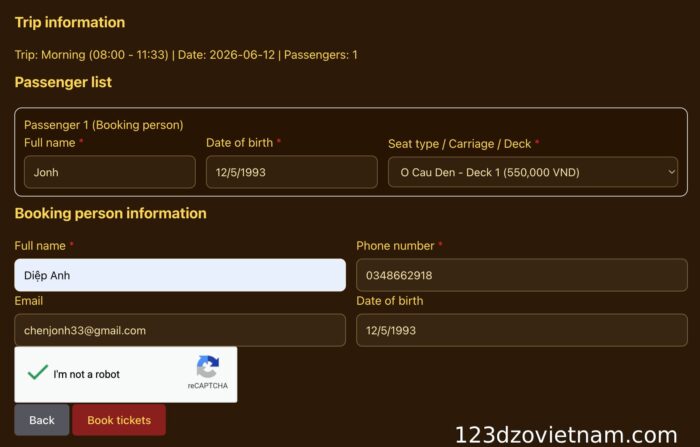
Because I wanted to be completely proactive in my personal journey, I booked tickets online through the website hanoi5cuao.com. This process is very quick, I just need to go to the booking section, select the schedule, and fill in basic information, including full name, phone number, passport number, and email.
Right on the interface, I can choose my seating position without waiting for the staff to respond. In the end, I decided to choose a single window seat with a folding table on the first floor of the O Cau Den carriage for 550,000 VND (~22 USD).
Hanoi 5-door train schedule
Besides costs and booking methods, knowing the schedule of the 5-door train from Hanoi also helps me easily plan my trip. The Hanoi – Bac Ninh route currently operates 03 flexible routes, taking tourists through the journey of discovering Kinh Bac culture.
#1. Route 1: Hanoi – Tu Son (Do Temple) – Hanoi (BHL1/BHL2)
The trip departs in the morning, starting at 07:30 when tourists gather at Hanoi station, visit the train, and scan biometrics via VNeID to board the train.
Route 1: Hanoi – Tu Son (Do Temple) – Hanoi (BHL1/BHL2)
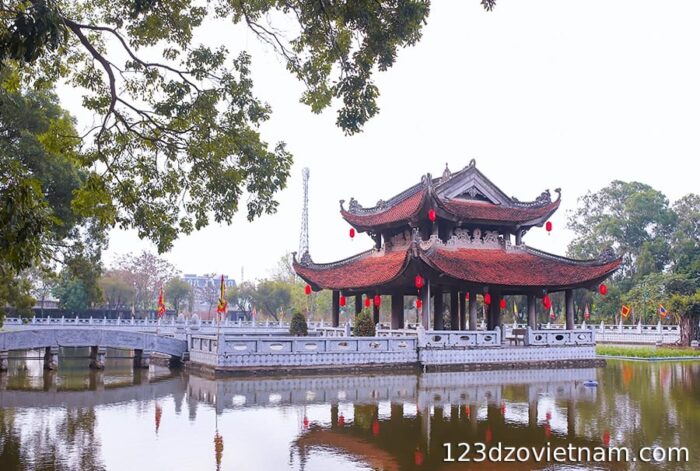
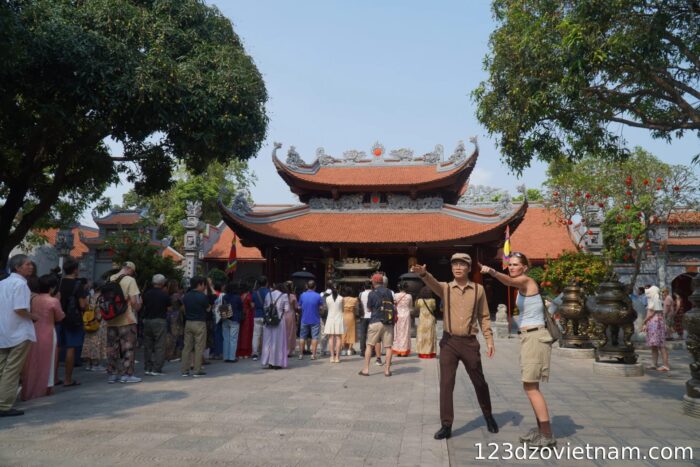
After passing through Long Bien, Gia Lam, and Yen Vien stations, the train stops at Tu Son station at 8:31 a.m. Here, tourists go by car to Do Temple to visit the tombs of Ly Dynasty kings, offer incense, explore Dong Ho painting village, make spousal cakes, and enjoy Bac Ninh Quan Ho folk songs.
At 10:22, the group returned to Tu Son station to board the train back, stopping to check in at Long Bien station before ending the journey at Hanoi station at 11:33.
passing through Long Bien, Gia Lam, and Yen Vien stations
This is also the route I chose because I love the cool morning air and want to spend half a day learning more about the history of the Ly Dynasty.
Departing at 8:00 a.m. allowed me to watch the busy early-day life of the capital’s people through the glass window, leisurely enjoy the sweet mandarin melodies at Do Temple, and still make it back to the city center at lunchtime.
#2. Route 2: Hanoi – Tu Son (Do Temple) – Hanoi (BHL3/BHL4)
In addition to line 1 of the Hanoi five gates tourist train, line 2 is also the choice of many foreign tourists. This route takes place in the afternoon, starting at 1:00 p.m., and the train officially departs at 1:30 p.m. Unlike the morning route, passengers will stop completely at Long Bien station from 1:38 p.m. to 1:58 p.m. to get off the train and move through the specialized car to take check-in photos first.
Route 2: Hanoi – Tu Son (Do Temple) – Hanoi (BHL3/BHL4)
After that, the train continues to pass through the stations to arrive at Tu Son at 14:32. Tourists have about 1 hour and 30 minutes to experience all the cultural and historical activities at Den Do, similar to line 1, then move back to Tu Son station at 16:10 and end the entire journey at Hanoi station at 17:01.
train continues to pass through the stations to arrive at Tu Son
#3. Route 3: Around Hanoi (BHL5/BHL6)
This is a romantic night train route for those who want to see a sparkling Hanoi when the lights come on. Passengers must be at Hanoi station from 7:20 p.m. to check in to board the train and depart at 7:50 p.m.
Route 3: Around Hanoi (BHL5/BHL6)
During the nearly 3-hour journey, the train will run around a series of historic stations and urban areas such as Long Bien, Gia Lam, Yen Vien, Co Loa, Dong Anh, Bac Hong, Kim No, Phu Dien, Ha Dong, Van Dien and Giap Bat, before returning to the starting point at about 10:31 p.m.
Top 04 impressive practical experiences on a 5-door train
The journey on the 5 Cua O heritage ship left an extremely deep impression on me. As someone who experienced it firsthand, here are the 4 things I remember most along the way:
#1. Immerse yourself in a nostalgic space
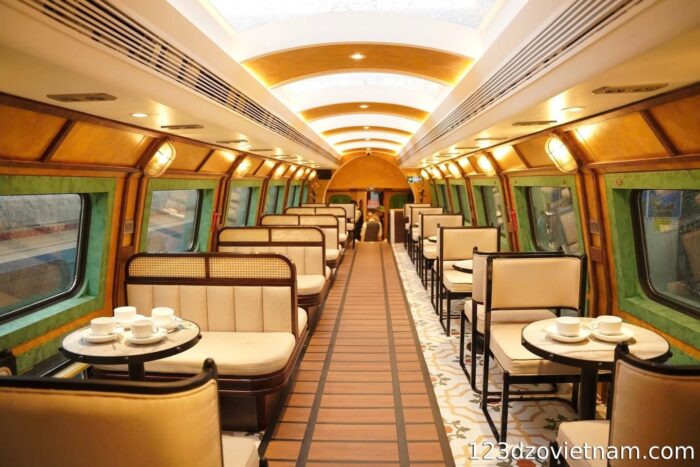
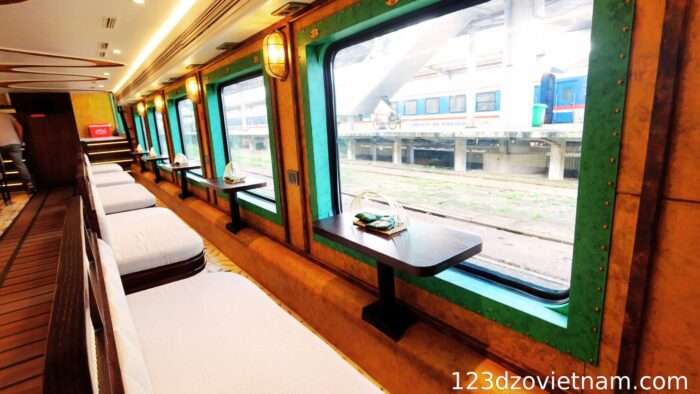
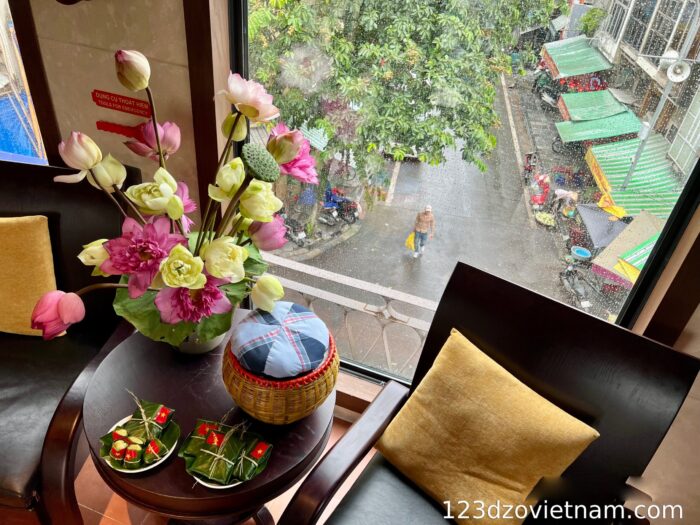
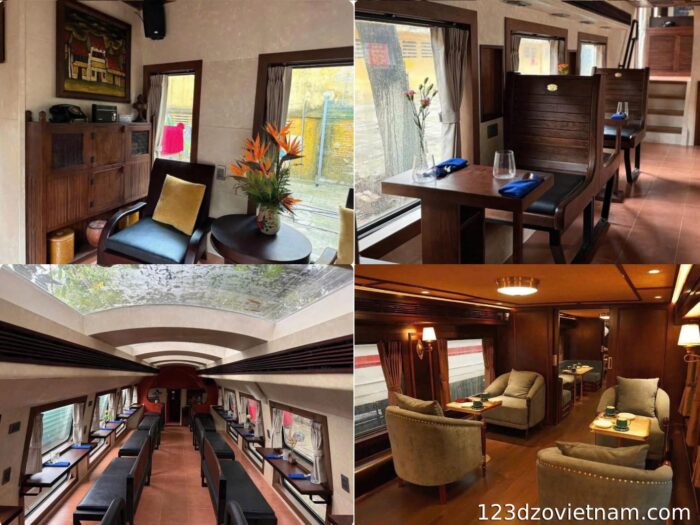
Stepping into the carriages of the Hanoi five gates tourist train, I felt like I was lost in a miniature vintage cafe with soft leather seats, wooden walkways, and cozy yellow lights.
Immerse yourself in a nostalgic space
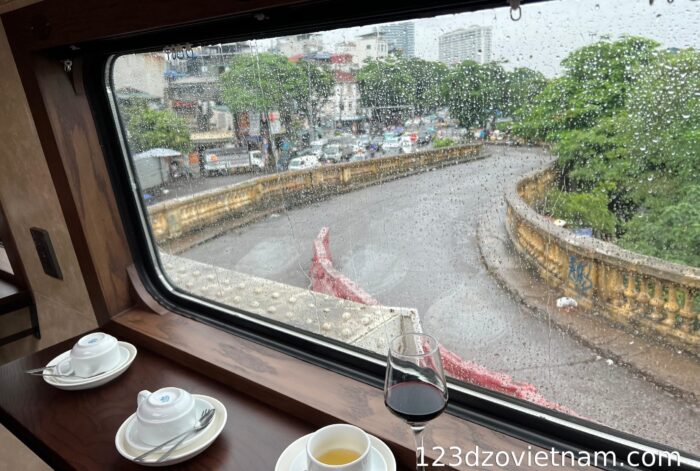
My favorite corner is the large glass window on the first floor, where I can leisurely watch the ancient Long Bien Bridge pass by and capture check-in photos with cinematic retro tones.
My favorite corner is the large glass window on the first floor
#2. Enjoy folk music on the train carriage
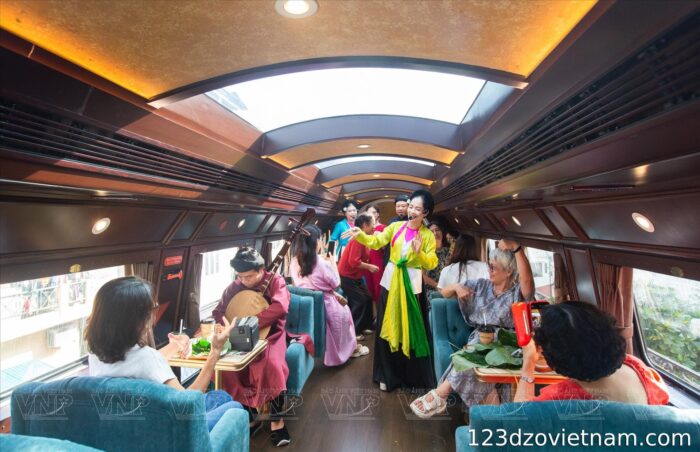
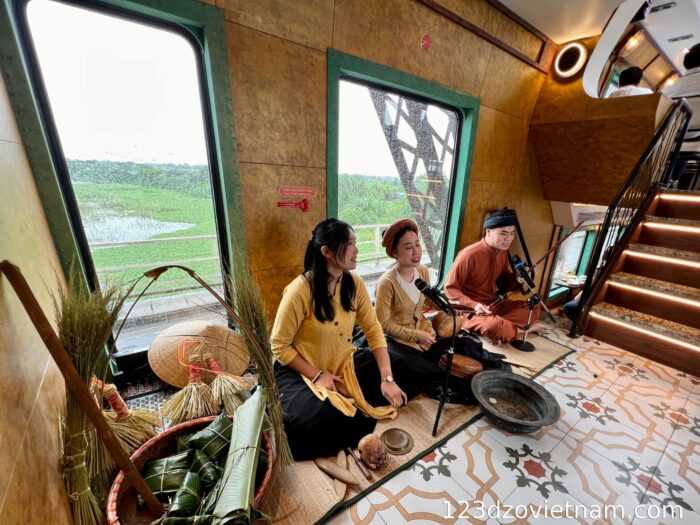
When the train moved, I was really surprised to see artists performing live right in the passenger compartment. The sound of the instrument, the singing of Cheo and Xam songs and the sweet Bac Ninh Quan ho melodies resounded, in harmony with the sound of iron wheels rolling on the rails, creating an extremely poetic and unique musical space.
Enjoy folk music on the train carriage
#3. Settle in with history at Do Temple
When the train stopped at Tu Son station, I got on the bus and went to Do Temple – the place to worship the 8 kings of the Ly Dynasty. Amidst the ancient and solemn space, I personally lit incense sticks to worship the ancestors and silently listened to the story of the historic capital transfer. This spiritual experience gave me a deep sense of peace and pride in my roots.
Settle in with history at Do Temple
#4. Make your own Dong Ho paintings and husband and wife cakes
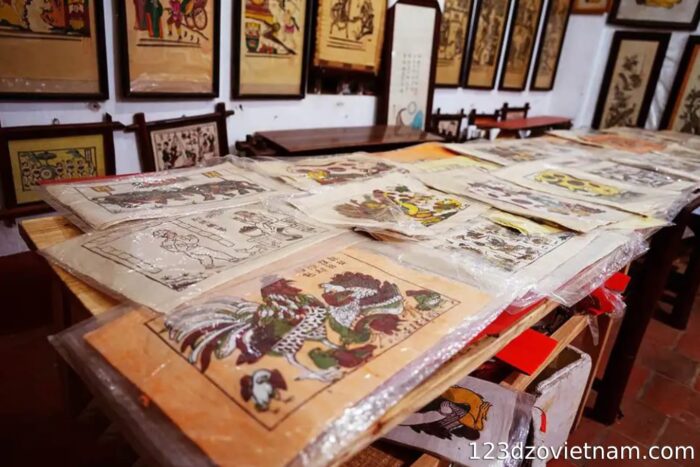
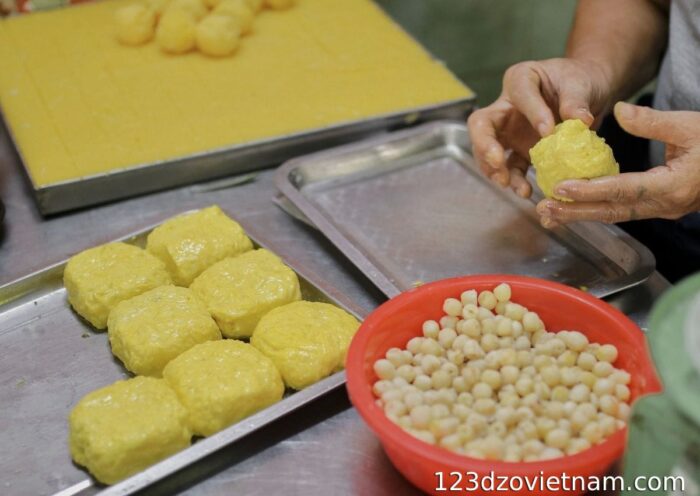
The most memorable experience for me was sitting with local artisans. I hand-painted each stroke of natural color on the paper to complete my own Dong Ho painting, and then excitedly learned how to carefully wrap each specialty cake. These meticulous activities help me more fully appreciate the goodness and beauty of Kinh Bac culture.
Make your own Dong Ho paintings and husband and wife cakes
How is the 5 Cua O train different from other tourist boats?
Compared to today’s famous tourist train routes, the Hanoi five gates tourist train has a completely different impression thanks to its shape as a “mobile heritage museum” rich in cultural interaction.
How is the 5 Cua O train different from other tourist boats in Vietnam?
If the heritage train Hue Da Nang mainly focuses on helping passengers enjoy the magnificent natural landscape of Hai Van Pass combined with culinary services, to serve the self-sufficient food tour trend of young people, then the 5 Cua O train offers a closed heritage tour with a miniature vintage art space right on the train compartment.
mainly focuses on helping passengers enjoy the magnificent natural landscape
The most unique point is the combination of having artists perform Cheo, Xam, and Quan Ho performances directly in the aisle between rows of seats, along with a series of practical activities at the destination such as offering incense at Do Temple, hand-printing Dong Ho paintings, and wrapping husband and wife cakes.
Combination of having artists perform Cheo, Xam, and Quan Ho performances
It is this series of lively and interactive cultural experiences that has helped the 5 Cua O train create its own path, completely separate from existing cruise lines on the market.
Conclusion
The journey on the Hanoi five gates tourist train is not just a geographical displacement trip, but truly an emotional trip back in time to touch the cultural soul of Thang Long – Kinh Bac. This is definitely a unique and valuable experience that anyone who loves traditional heritage beauty should try once in their life.