Is cash or card better in Vietnam? Spending guide for trip
Is cash or card better in Vietnam for Travelers for convenience? Whether to use cash or card depends on spending: cash for local shops, card for hotels, malls.
Based on my experience, it is best to adopt a flexible approach to payments in Vietnam. I prefer using cards or bank transfers in major cities and at convenience stores, but I always carry cash with me to pay for street food or to shop at local markets.
Is cash or card more common in Vietnam?
To be honest, after spending some time travel to Vietnam, I’ve noticed that the country is currently in a fascinating transitional phase—a unique blend of tradition and modernity. If you were to ask me which is “more common,” the answer certainly couldn’t be limited to just one side.
Is cash or card more common in Vietnam?
Based on my personal experience, Vietnam is a paradise for bank transfers and QR code payments; yet, cash remains the very “breath” of life on the sidewalks. While researching the topic of whether “is cash or card better in Vietnam,” I was truly astonished to discover that even tiny vegetable stalls in the market, or roadside carts, had QR codes prominently displayed. With nothing more than a smartphone and an internet connection, I could pay for almost anything in the major cities without ever having to reach for my wallet.
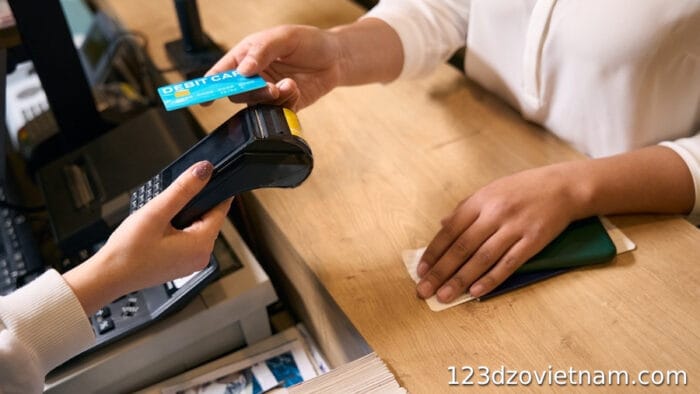
Credit cards (Visa/Mastercard) are also widely accepted at retail chains; however, you may occasionally incur a small surcharge or be subject to a minimum purchase requirement.
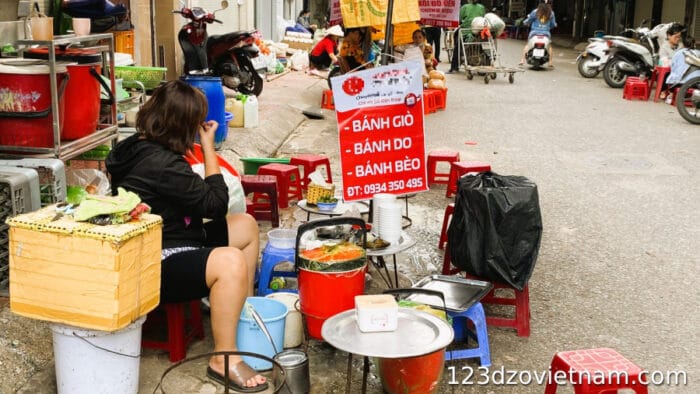
Nevertheless, despite the widespread reach of modern technology, I maintain that cash remains the most “universal” payment method if you wish to truly immerse yourself in local life. In remote regions like Ha Giang, or when enjoying a bowl of crab noodle soup in a narrow alleyway, pulling out some small bills to pay is still the quickest, most hassle-free, and most appreciated method.
When to use cards vs. cash when traveling in Vietnam
Based on my own travels, from the bustling streets of Saigon to the remote villages of Ha Giang, I’ve realized that knowing exactly when to swipe your card and when to use cash is the key to ensuring a “smooth” journey. Below is how I allocate my spending to avoid ever finding myself in an awkward predicament.
#1. When do I prioritize cards and digital payments?
In Vietnam, a Visa/Mastercard or Apple Pay serves as a “lifesaver” for managing major expenses and ensuring financial security. If you’re wondering question mark exactly when to use a card, I typically prioritize doing so in the following situations:
When do I prioritize cards and digital payments?
Accommodation and Transportation Services: Paying for hotel rooms or resort stays, as well as booking flights and train tickets, via online applications. This allows me to keep clear records of my receipts and often enables me to benefit from favorable currency exchange rates.
Shopping at Malls and Supermarkets: Major retail chains, such as WinMart and Lotte Mart, and shopping centers like Diamond Plaza accept card payments quickly and seamlessly.
Dining at Upscale Restaurants or Coffee Chains: Establishments like Highlands Coffee, Starbucks, and other branded eateries are equipped with modern POS terminals. Notably, if you hold a local bank account, scanning a QR code (VietQR) can sometimes be even faster than using a card.
#2. When is cash your only “lifesaver”?
Although Vietnam is digitizing at a rapid pace, if you have ever searched for information regarding “Vietnam cash or card“, I can assure you that there are still certain situations where you will find yourself completely “stuck” without cash in your pocket:
When is cash your only “lifesaver”?
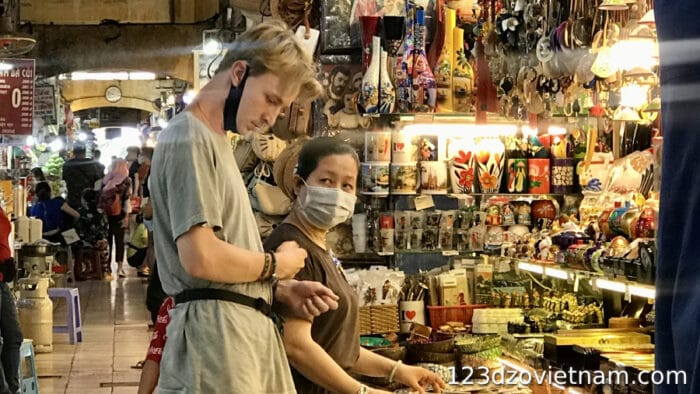
Street food and traditional markets: You can’t swipe a card for a roadside vendor or a steaming bowl of phở tucked away in a narrow alley. Cash remains the quickest way to pay the friendly vendors.
Short-distance travel and incidental expenses: This covers payments to cyclo drivers and traditional motorbike taxi drivers, parking fees at tourist attractions, or buying a bottle of water while trekking.
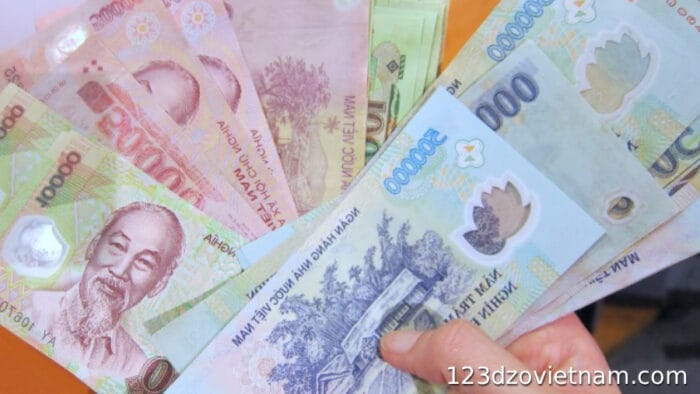
Travel to remote regions: When I venture deep into areas like the Mekong Delta or the Northern Highlands, mobile reception can be spotty—making bank transfers inconvenient—and POS terminals are a rarity. In these situations, banknotes in denominations of 20,000 VND, 50,000 VND, and 100,000 VND truly reign supreme.
How much cash should you bring when traveling in Vietnam?
Based on my own real-world journeys, from bustling cities to rural villages, the question of “how much is enough” actually depends heavily on your personal travel style.
How much cash should you bring when traveling in Vietnam?
However, I always keep a sufficient amount of cash on hand to handle any situation that may arise. Although many people ask does vietnam accept us dollars, in reality, the Vietnamese Dong remains the most widely used currency. Therefore, I typically divide my cash budget into two categories for easier management:
Overall Budget: Approximately 2,000,000-3,000,000 VND per day (roughly 75-115 USD). This is the “golden number” that helps you cover all basic expenses, from dining and transportation (via taxi or Grab) to entrance fees for attractions and a few small souvenirs.
Cash on Hand: I usually carry only 1,000,000-2,000,000 VND (~38-75 USD) in my pocket when heading out. This amount is sufficient to allow me to confidently stop at any eatery or sidewalk coffee cart without worrying about becoming a target due to carrying excessive cash.
5 Practical tips for travelers on spending money in Vietnam
From the perspective of a traveler who has spent months exploring Vietnam, I’ve found that managing expenses here isn’t difficult, though it does require a bit of savvy to ensure a smoother journey. If you are wondering whether it is cash or card better in Vietnam, here are some practical insights I’ve gathered:
5 Practical tips for travelers on spending money in Vietnam
Break down your cash: Keep small-denomination bills, specifically 20,000 VND to 100,000 VND notes, handy when dining at street food stalls or shopping at local markets. Avoid using 500,000 VND notes, as vendors often struggle to provide change.
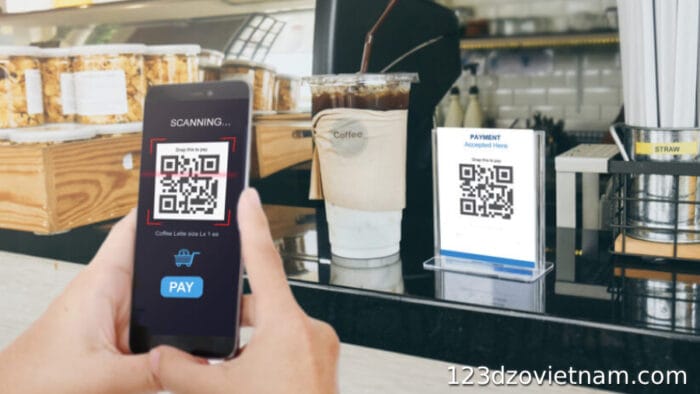
Leverage QR codes: Whenever a transaction allows for QR code payment, take advantage of it. This is a widely adopted payment method that saves you from having to carry large amounts of cash or worrying about confusing currency denominations.
Inquire about card fees: Some establishments may charge a surcharge of 2–3% for transactions made with international cards. Therefore, always ask about potential fees before deciding whether to pay by card or cash to help optimize your expenses.
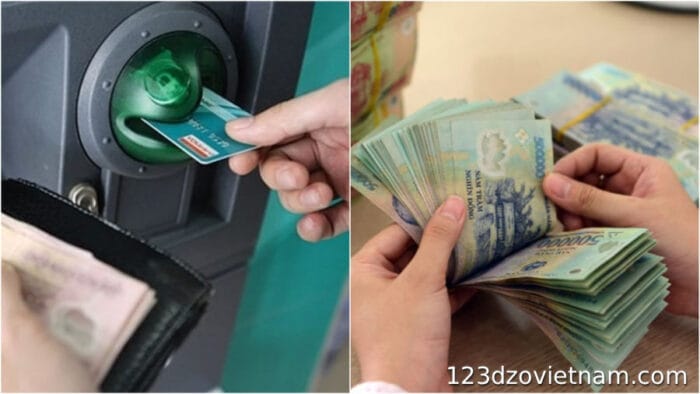
Withdrawing cash at ATMs: I typically choose to withdraw cash from major ATM networks in Vietnam, such as Vietcombank, BIDV, and Techcombank. These ATMs operate 24/7, are secure, and charge relatively low withdrawal fees, ranging from 20,000 VND to 55,000 VND (approximately 0.8 to 2 USD) per transaction.
Modern payment methods in major cities: When traveling to Hanoi, Ho Chi Minh City, or other major urban centers, I often use Apple Pay or credit cards at supermarkets and cafes to ensure security and easily track my spending history.
Conclusion
A flexible combination of cards and cash is the key to fully enjoying both the modern sophistication of major cities and the rustic charm of Vietnam’s street-side culture. If you are still wondering whether is cash or card better in Vietnam, the most practical answer is to use both in tandem. Always keep a small amount of cash in your pocket so you are ready to embrace the most unexpected and delightful local experiences that come your way.