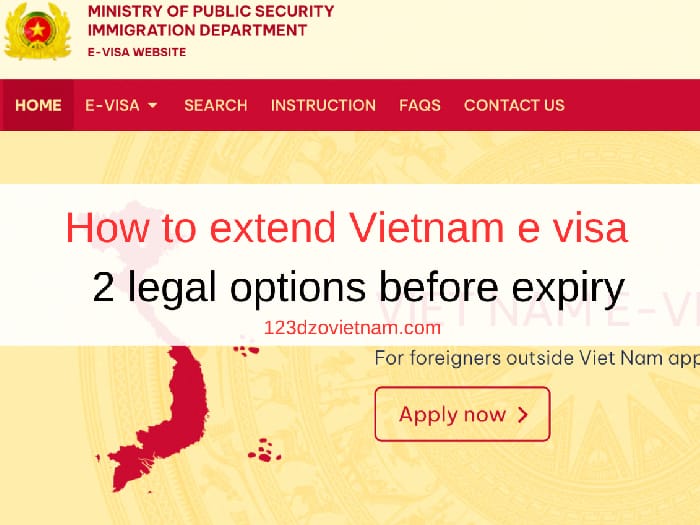
How to extend Vietnam e visa – 2 legal options before expiry
How to extend Vietnam e visa you can switch to a long-term work, investment, or family visa without leaving, or exit Vietnam and apply for a new E-visa legally.
I understand that Vietnamese e-visas don’t need to be renewed because the law doesn’t allow it. The process is also easy; you just need to leave the country and apply for a new visa or switch to a different type if you meet the requirements.
Can a Vietnamese e-visa be extended?
I once traveled to Vietnam using an e-visa during my trip to travel to Vietnam, and my experience revealed one important thing: E-visa cannot be extended. The system only grants new visas; there is no function to extend your stay, regardless of whether you wish or need to stay longer.
Can a Vietnamese e-visa be extended?
When your e-visa is about to expire, you are required to leave the country and apply for a new E-visa if you wish to continue your stay, or switch to a different type of visa such as work visas, investment visas, or family visit visas, but only if all legal requirements are met and there is a valid sponsor.
This isn’t too difficult, but it requires planning ahead. Prepare all necessary documents and submit your application on time; otherwise you will face consequences: risk of being fined, deported, or banned from entering the country. In the future, I personally believe that understanding this rule beforehand will make the trip smoother and avoid unnecessary stress.
What to do when your Vietnam e-visa is expiring?
As my Vietnamese e-visa was about to expire, I did some research on how to extend Vietnam e-visa and found that E-visas cannot be renewed directly. However, there are three legal ways for tourists to continue their stay:
#1. Applying for a new Vietnam E-visa
If you want to continue your stay, the only way is after leaving the country, submit a new E-visa application. This is the method I’ve tried, and the process involves the following steps:
Applying for a new Vietnam E-visa
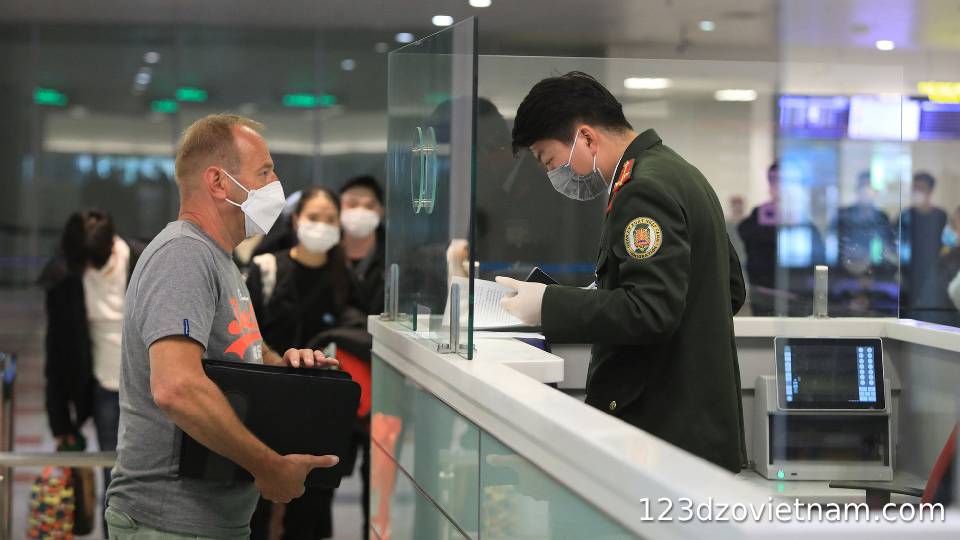
Step 1: Leave Vietnam before your old E-visa expires.
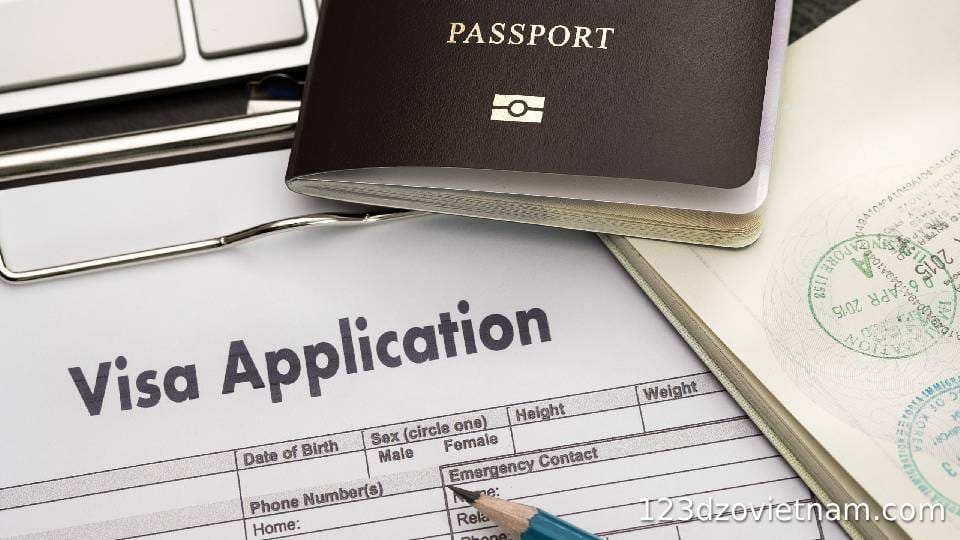
Step 2: Prepare your new e-visa application documents, including a passport valid for at least six months, a white background photo, visa confirmation email, and personal information.
Step 3: Submit your application online through the Vietnam E-visa portal and pay a fee of approximately $25.
Step 4: Wait for the new visa system to be processed (usually takes 2–3 days).
I prepared my application thoroughly and submitted it online. After only a few days, I received my new e-visa, which gave me great peace of mind, as I no longer had to worry about being fined or encountering problems upon re-entry. This method is legal, easy to implement if you prepare all the necessary documents, and allows you to continue staying in Vietnam legally without legal risk.
The disadvantage of this method is that exiting the country can be time-consuming, requiring waiting for re-issuance, and sometimes travel costs or visa fees will increase, especially if you are in a city far from the border crossing.
#2. Switch to a different visa type (if eligible)
I had researched thoroughly about converting an e-visa to a long-term visa because I planned to work and stay in Vietnam for a longer period. Initially, I thought that as long as my e-visa was still valid and I had legal sponsorship or a prepared work permit, I could switch visas directly within the country. However, the reality is not that simple.
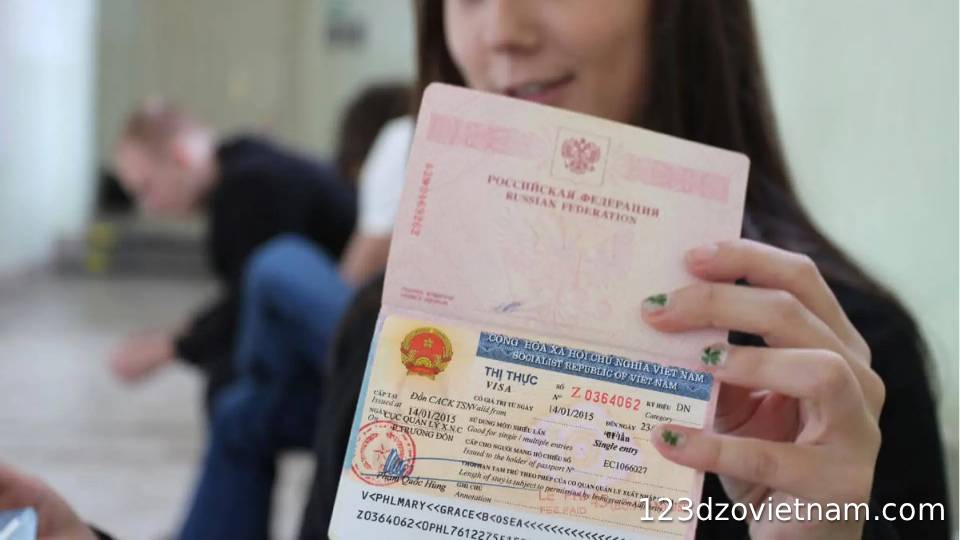
Switch to a different visa type (if eligible)
After reviewing the legal regulations and consulting reputable advisory units, I realized that an e-visa is not a type of visa that can be extended or changed for another purpose while staying in Vietnam.
This means that even if your e-visa is still valid or you have all the documents ready for a work, investment, or family visa, you are still required to exit the country if you want to apply for a different type of visa.
The correct procedure in this case is to leave Vietnam and submit a new visa application according to your long-term stay purpose. Only then do documents such as a work permit, sponsorship letter, or proof of relationship truly hold value for visa approval.
Depart on time
From my research and experience, to apply for a work, investment, or family visa, you should pay attention to the following conditions:
Timing
The e-visa must still be valid at the time of exit.
Processing time for a new visa usually ranges from 5–15 working days, depending on the visa type and application location.
Some cases may require extra time if additional documents are needed.
Documents: Depending on the visa type, applications typically include:
Passport valid according to regulations.
Visa application form.
Work visa:
Work permit or confirmation of exemption from a work permit.
Visa fees set by Vietnam (depending on duration and number of entries).
Translation and notarization fees, if required.
Service fees if applying through a support agency (optional but quite common).
This experience made me realize that the e-visa is only suitable for short-term trips like tourism, short business trips, or brief family visits. If you plan to work, invest, or live long-term in Vietnam, choosing the correct type of visa from the beginning will save significant time, money, and help avoid unnecessary legal risks—so, how can you know? Question marks are key when asking how to extend Vietnam e-visa.
New visa application in Vietnam: procedures, documents, time, and cost
When a Vietnamese e-visa is about to expire, travelers cannot renew it directly but must prepare the procedures for applying for a new visa or converting to a long-term visa. Understanding the required documents, timelines, and costs will help ensure this process is smooth and legal.
Vietnamese visa extension
Documents required:
Passport: The visa must be valid for at least six months and have enough blank pages to affix for the new visa.
ID photo with a white background: The quality is clearly good and complies with the requirements of the E-visa system.
Personal information and schedule: Name, date of birth, passport number, purpose of entry, address of residence in Vietnam.
Additional documents (if converting to a long-term visa): A work visa requires a valid work permit and an employment contract. An investment visa requires an investment certificate and legal documents of the company. A family visit visa requires documents proving the relationship and sponsorship from a relative in Vietnam.
Tip: Prepare all scanned copies and original documents for submission online or in person if required.
Processing time
Processing time:
Applying for a new E-visa: Typically 2–3 business days, but during peak season it can take 5–7 days.
Converting to a long-term visa: From 1–4 weeks, depending on the type of visa and supporting documents.
Tip: Submit your application at least one week before your E-visa expires to avoid it expiring.
Expense:
New e-visa: Approximately $25 per entry.
Long-term visa: The fee ranges from 50–200 USD depending on the type of visa and duration.
Note: Costs may vary depending on whether you use expedited services or go through an intermediary.
Risks of not being prepared:
Fines imposed according to Decree 144/2021.
They may be forced to leave the country immediately.
There is a risk of being banned from entering the country for 1–5 years, which will affect future visa applications.
I chose to apply for a new e-visa when my old one was about to expire. The online application process was quite fast, taking only a few days to receive the new visa. This helped me avoid the risk of expiring and easily continue my trip without worrying about legal issues.
05 things to note when your tourist e-visa is about to expire
As your Vietnamese e-visa is about to expire, and you may be asking can I extend my tourist visa in Vietnam or wondering how to get a tourist visa for Vietnam, understanding these important points will help avoid legal risks and ensure a smooth trip. Here are five key things to keep in mind:
ote when your tourist e-visa is about to expire
Keep a close eye on the expiration date: Always carefully check the entry date and expiration date of your e-visa. This will help you proactively choose your next course of action and avoid penalties or deportation if you overstay your visa.
Plan ahead for the next step: You should decide early whether you will be leaving the country, applying for a new e-visa, or converting to a long-term visa. Preparing the necessary documents in advance and scheduling the submission of your application will reduce stress and save you time.
Prepare complete and legally compliant documents: If you choose to apply for a new e-visa or visa conversion, ensure your passport is valid, you have a passport-sized photo, personal information, and any required supporting documents (work permit, family sponsorship, investment certificate, etc.). A complete application will shorten the processing time.
Calculate processing time and cost: New e-visas typically take 2–3 days, while long-term visas can take 1–4 weeks. Consider visa processing fees, intermediary services if needed, and travel time to avoid disruptions to your schedule.
Be aware of the risks of overstaying your visa: Staying after your e-visa expires can result in fines, immediate deportation, or the risk of a 1–5 year entry ban. This is a crucial factor making it essential to process your application before it expires.
Conclusion
Extending a Vietnamese e-visa isn’t really feasible, so travelers need to proactively plan ahead before their visa expires. From personal experience, I find the most legal and safest way to handle how to extend Vietnam e-visa is: depart on time and then apply for a new E-visa, or convert to a long-term visa if eligible.