What to do if Vietnam e visa is rejected? Top 3 quick fixes
If you are wondering what to do if Vietnam e visa is rejected, you can fix errors, reapply for a new e-visa, contact immigration for support to solve the issue.
Based on my experience and research, Vietnamese e-visa rejections are not very common, but they can still happen if there are minor errors in the application. In many cases I’ve seen, the reason is usually due to incorrect passport information, a non-standard photo, or inaccurate declarations, rather than the applicant being ineligible for entry.
05 common reasons why Vietnamese e-visas are rejected
Most Vietnam e visa rejected cases stem from simple errors in the application. Many think rejection is due to entry requirements, but in reality, it’s usually incorrect information. If you plan to travel Vietnam, failure to meet the e-visa system’s requirements is the main cause.
#1. Incorrect passport information
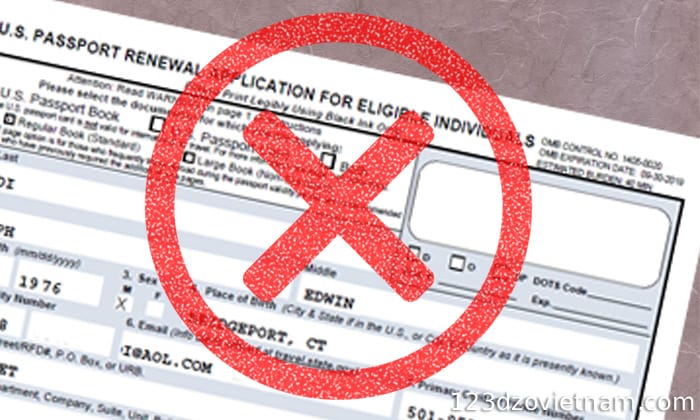
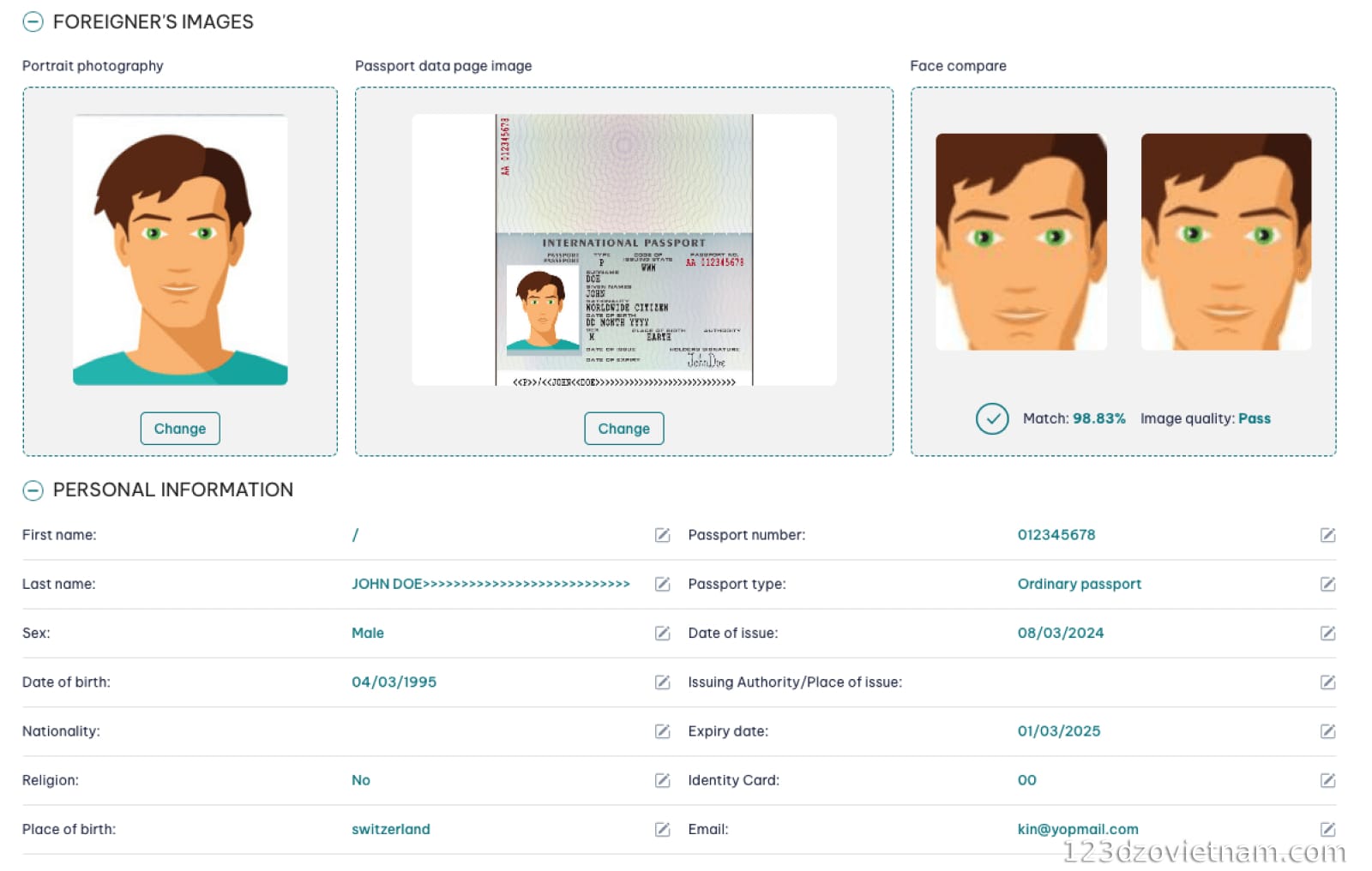
This is a fairly common mistake I’ve seen when applying for an e-visa. If you enter the wrong passport number, full name, date of birth, issue date, or expiry date, the system won’t match the information in your passport, and your application may be rejected.
Incorrect passport information
As required, all information in the e-visa application must perfectly match the information on the information page of your passport.
#2. Passport photo or portrait photo does not meet standards
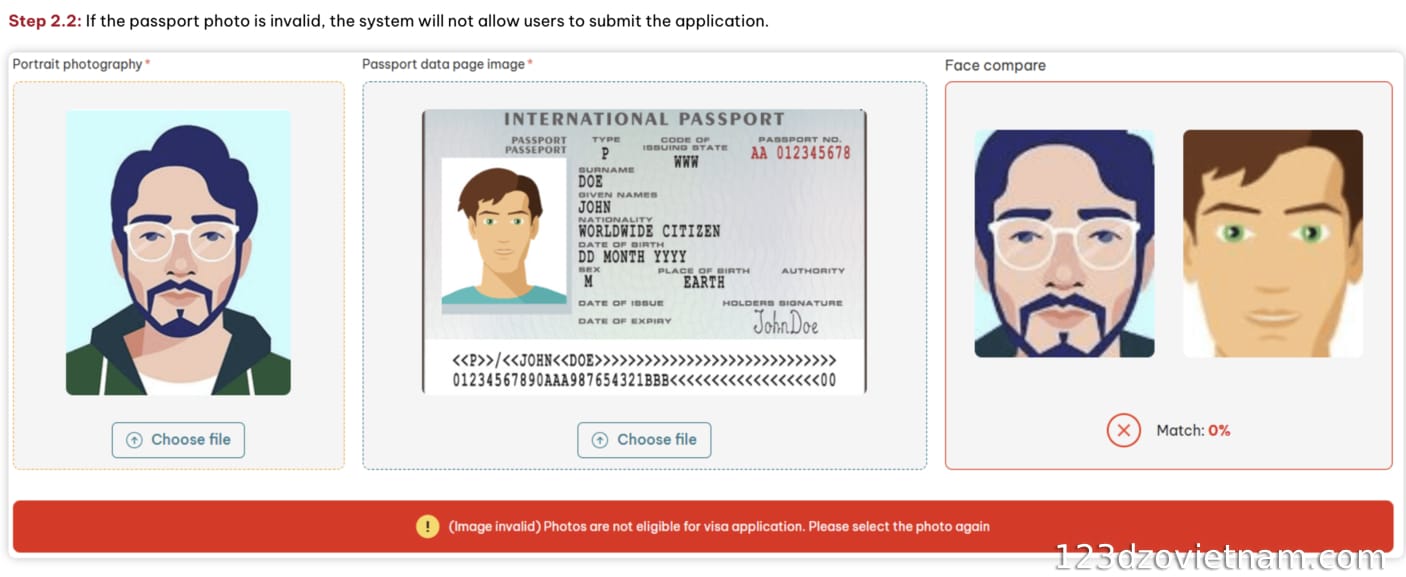
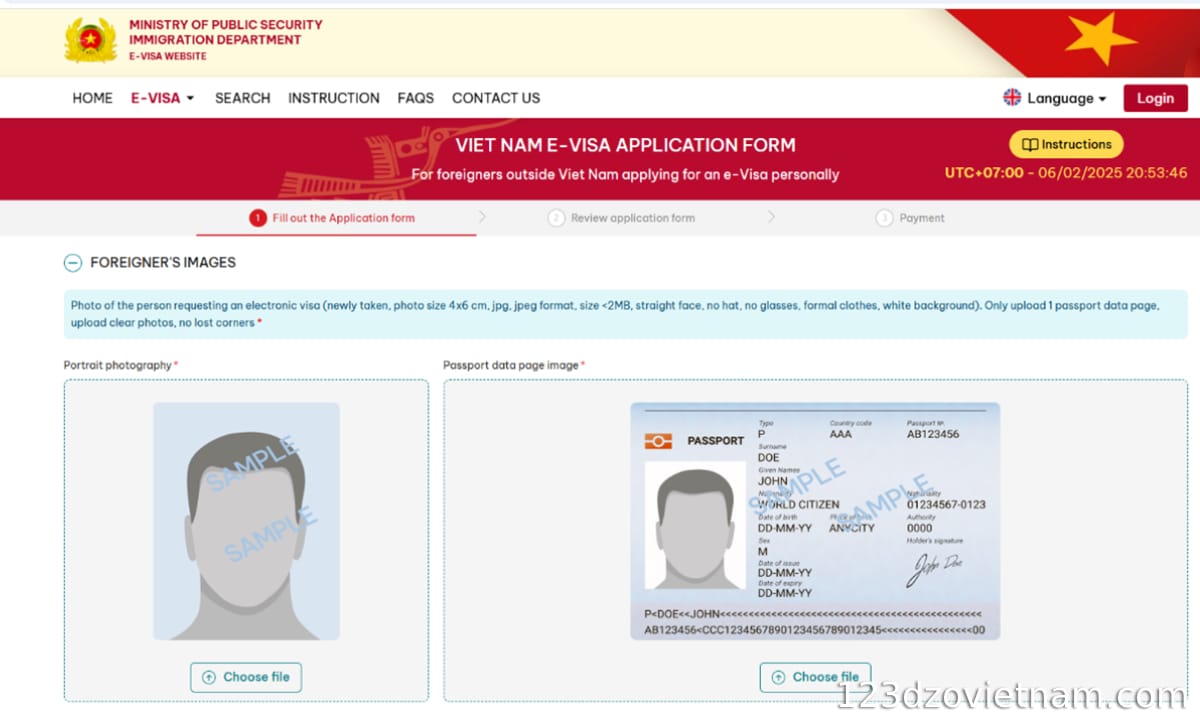
Another reason I often see is that the uploaded photo doesn’t meet the requirements. When applying for a Vietnamese e-visa, applicants need to provide:
Passport photo or portrait photo does not meet standards
A clear portrait photo, white background, no glasses, no face obscured.
The scanned image of the passport information page is clear, not blurry, and has no cropped corners.
If the photo is blurry, has the wrong background, or the information on the passport is illegible, the application is very likely to be rejected.
#3. Ineligible passport
According to the requirements of the Vietnamese e-visa, passports must meet certain conditions. Specifically, the passport must be valid for at least 6 months from the date of entry and must be a valid ordinary passport. During my research, I found that passports that are about to expire or are damaged are often not accepted.
Ineligible passport
#4. Declare an incorrect entry point
When submitting an e-visa application, applicants must select a port of entry that is on the list of countries that allow the use of e-visas. Choosing the wrong port of entry that does not support e-visas, or providing incorrect information regarding their travel plans, may result in the application being rejected or encountering problems upon entry.
Declare an incorrect entry point
#5. History of visa or entry violations
In addition to document errors, I also noticed that previous entry history can significantly affect Vietnam e visa rejected cases. If a visa applicant has previously overstayed a visa, violated immigration regulations, or been denied entry, the immigration authorities may be more likely to refuse granting an e-visa for any subsequent applications.
History of visa or entry violations
This highlights the importance of maintaining a clean travel and visa record. Following all immigration rules carefully can greatly improve your chances of approval for future e-visa applications.
What to do if your Vietnam e-visa is rejected? 03 best ways to handle it
A rejected Vietnam e-visa is usually not a serious problem. What to do if Vietnam e visa is rejected? Check your information, correct any errors, and resubmit. Here are 3 effective ways to handle it.
#1. Double-check all the information in your profile
When I see my e-visa application has been rejected, the first thing I usually do is review all the information you have provided in the application form.
Double-check all the information in your profile
Many people wonder does Vietnam e visa get rejected, and in most cases, it happens due to minor errors such as entering the wrong passport number or uploading photos that do not meet the requirements.
You should double-check the following items:
Comparison full name, date of birth, and nationality with passport
Check passport number, issue date, and expiry date
Review the portrait photo has a white background and a clear face
Check if the scanned image of the passport information page is clear
In my experience, simply correcting these errors will significantly increase your chances of getting an e-visa on your next application.
#2. Resubmit a new e-visa application
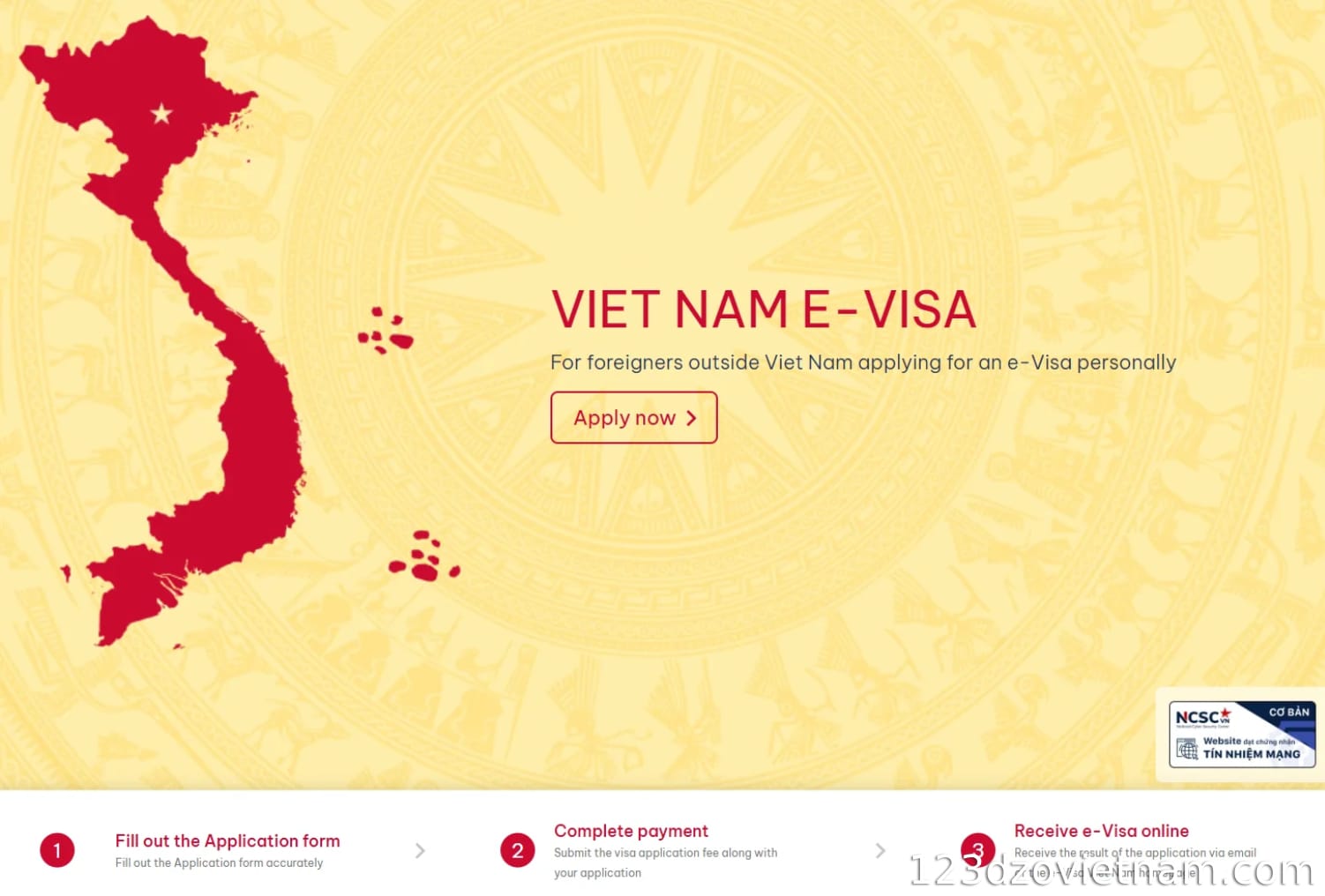
After identifying the error in the record, the next step I usually take is submit a new e-visa application through the official system. Re-registering is quite simple if you have all the necessary information prepared.
Fill it out again registration form with accurate information
Upload standard portrait and passport photos
Pay e-visa processing fee
Wait for the review results within a certain period, 3–5 business days
I noticed that many people have e-visa was granted on the first re-application after correcting the errors in the records.
#3. Contact the immigration office or embassy
In case you’re unsure why your application was rejected or have resubmitted it without success, I think the best solution is contact the competent authority directly.
Contact the immigration office or embassy
You can do it as follows:
Contact Vietnam Immigration Department to ask for information
Send email or request support through the e-visa portal
Contact Vietnamese embassy or consulate in your country
Ask about other visa application options if needed
From what I’ve learned, this method will help you accurately identify the reason why the application was rejected and receive appropriate guidance to successfully apply for a visa.
Answering some questions related to being denied a Vietnamese e-visa
Many people ask what to do if Vietnam e visa is rejected? with question marks. During my research on Vietnam e-visas, I noticed this is a common concern. Below are common questions and answers based on guides and my experience.
#1. Is a refund available if an e-visa is rejected?
From what I know, Vietnam e-visa fees are generally non-refundable. This applies even if your application is rejected. This means that if you want to resubmit your application, you will still have to pay the fee again as per regulations.
Is a refund available if an e-visa is rejected?
#2. Is it possible to apply for a Vietnamese e-visa a second time?
The answer is it is entirely possible. Despite the Vietnam e visa rejection rate, many people still get e-visas after resubmitting their applications. The important thing is that you need to identify and correct errors in the profile before re-registering.
#3. Is there any way to avoid being denied a Vietnamese e-visa?
In my opinion, the best way to avoid being rejected is check your documents carefully before submitting them. You should ensure that your passport information is accurate, your portrait and passport photos are clear, and that you select the correct entry point and fill in all the required information.
Is there any way to avoid being denied a Vietnamese e-visa?
#4. How long do I have to wait before reapplying for an e-visa?
From what I’ve learned, you can reapply for an e-visa almost immediately after your application is rejected. However, I think it’s best to take the time to double-check and correct all the information before resubmitting the new application.
#5. Is it possible to edit a submitted application?
In most cases, submitted e-visa applications typically cannot be edited directly. Many people ask does Vietnam e visa get rejected, and if an error is detected, the common method I see is to submit a new e-visa application with accurate information.
#6. Do I need to change my email address when reapplying for a visa?
From what I’ve learned, changing your email address isn’t always mandatory. When resubmitting the application, however, some people still choose to use a different email address to avoid system errors or confusion with the old application.
Do I need to change my email address when reapplying for a visa?
Conclusion
If your Vietnamese e-visa is rejected, don’t worry, as this is manageable. What to do if Vietnam e visa is rejected? Review your application, correct any errors, and resubmit. Preparing carefully from the start increases your chances of approval.