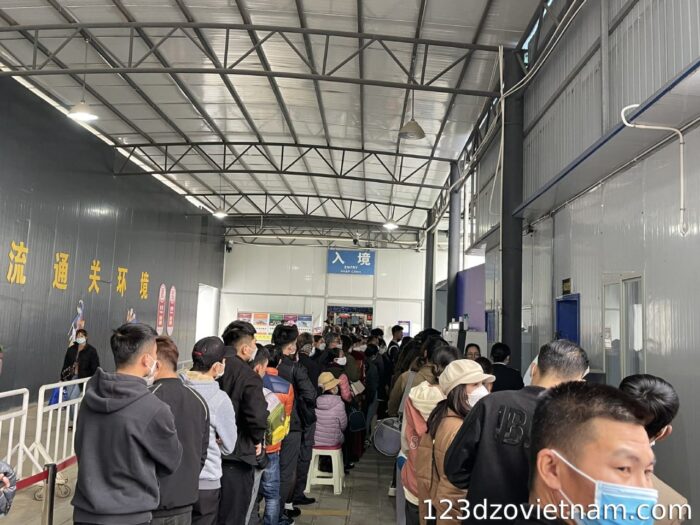
Vietnam land border visa | Road entry process guide
Vietnam land border visa is a smooth entry option via Cambodia, Laos, China borders for foreigners with valid passport and e-visa or visa exemption in place.
I have observed a significant surge in interest among travelers regarding land-border entry visas for Vietnam, largely due to the increasingly streamlined e-visa procedures available at border crossings. This has now become the preferred option for many seeking to save on costs and enjoy greater scheduling flexibility when traveling across borders.
What is a Vietnam land border visa entry?
In my experience, many people mistakenly believe that a “border-crossing visa” for travel to Vietnam is a distinct category of visa in itself. In reality, however, a “Vietnam land border visa” simply refers to the method of entering the country via land checkpoints using either an E-visa (electronic visa) or a traditional stamped visa.
What is a Vietnam land border visa entry?
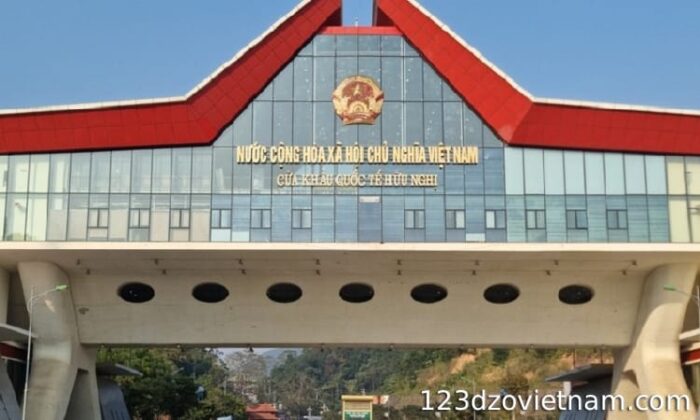
Instead of flying in, I typically take a printout of my e-Visa to international border crossings, such as Mong Cai or Huu Nghi (bordering China), or Moc Bai (bordering Cambodia), to complete the passport stamping formalities.
I consider this method to be a true “game-changer” for those who enjoy cross-border backpacking, as well as for groups traveling via international coaches looking to save money compared to airfare. The primary beneficiaries of this approach include:
Citizens eligible for an E-visa (Electronic Visa)
Citizens eligible for an E-visa (Electronic Visa): available to nationals of all countries and territories worldwide wishing to enter for tourism, visiting relatives, or business.
Holders of border passes: intended for residents of neighboring countries sharing a land border who wish to visit Vietnam for short-term tourism or trade within the border provinces, or as stipulated by specific regulations.
Tourists eligible for unilateral or bilateral visa exemptions: available to citizens of countries granted visa-free entry by Vietnam for a specific duration (typically 15, 30, or 45 days, depending on the country).
The process for entering Vietnam by land
Outlined below is the process for entering Vietnam by land, distilled from my own firsthand experience and presented in specific, step-by-step detail to help you easily visualize the procedure:
#1. Step 1 – prepare your legal documents
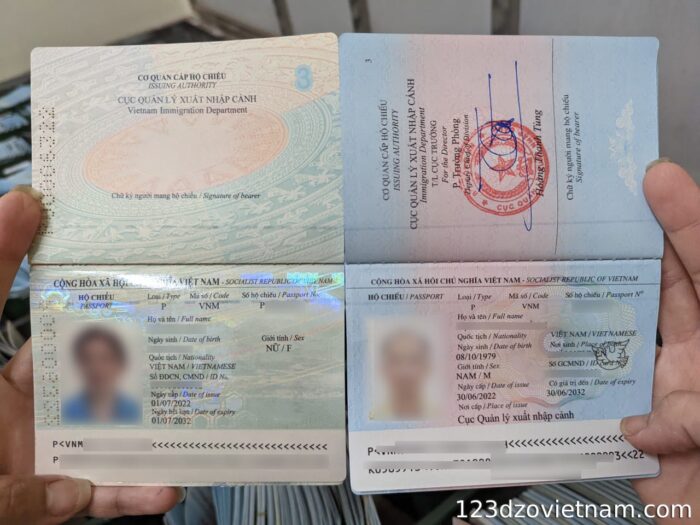
You will need to prepare your original passport (valid for at least six months), your e visa Vietnam application, and a printout of your e-visa (if you are a national requiring a visa). It is essential to ensure that your e-visa correctly specifies the exact land border crossing you intend to use.
Step 1 – prepare your legal documents
If you plan to travel by road from Phnom Penh to Saigon, when applying for your E-visa, you must specifically select “Moc Bai Border Gate” under the “Port of Entry” section. If you mistakenly select Tan Son Nhat Airport, you will not be permitted to enter via land.
#2. Step 2 – complete exit procedures in the neighboring country
Proceed to the exit control counter in the host country (Laos, Cambodia, or China) and present your passport to the border control officer to receive your exit stamp.
Step 2 – complete exit procedures in the neighboring country
For instance, at the Bavet border crossing (Cambodia), you will queue at the exit counter to receive a “Departed” stamp before walking approximately 100 meters across to Vietnam’s Moc Bai border crossing.
#4. Step 3 – medical and baggage screening at the Vietnamese border crossing
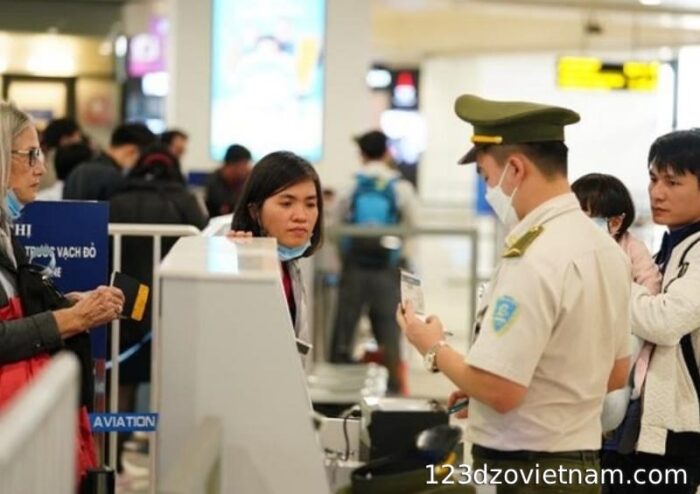
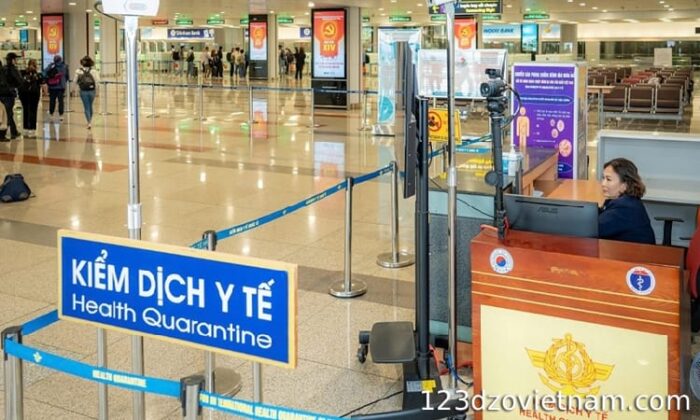
Before entering Vietnam, you must pass your luggage through an X-ray scanner and undergo a body temperature check (if requested by border health officials).
Step 3 – medical and baggage screening at the Vietnamese border crossing
On one occasion, while entering the Huu Nghi Border Gate terminal (Lang Son), I was asked to place my suitcase on the conveyor belt so that customs officials could inspect it to ensure I was not carrying any prohibited items or goods exceeding the duty-free allowance.
#4. Step 4 – completing entry procedures at the border control counter
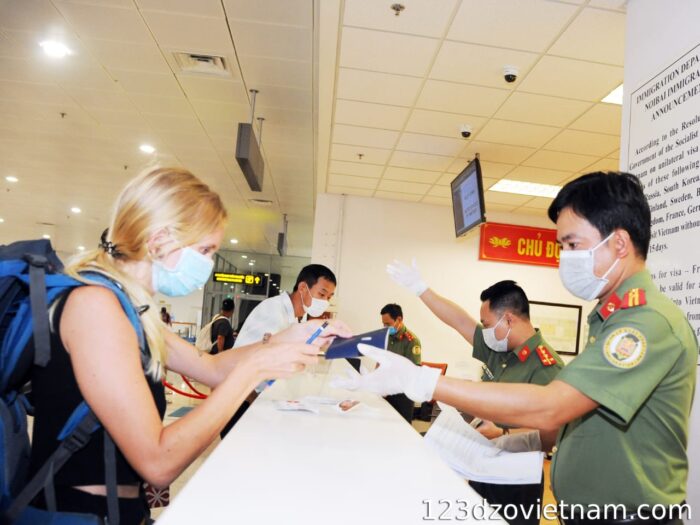
At this stage, you must present your passport and a printout of your E-visa to the border control officer. After verifying your information, the officer will stamp your passport to authorize your entry and clearly indicate the duration of your permitted stay.
Step 4 – completing entry procedures at the border control counter
I always carefully inspect the entry stamp immediately after receiving my passport to ensure that the expiration date aligns with the 90-day validity period of my E-visa, thereby guaranteeing that I do not inadvertently overstay my visit.
03 Types of visas accepted at Vietnam’s land border crossings
To ensure your overland border crossing goes smoothly, I would like to clarify the three official types of travel documents currently accepted at Vietnam’s land border crossings—including the specific “Vietnam land border visa.” Specifically:
E-visa (Electronic Visa) – the most popular choice:
This is the top-priority option utilized by me and the vast majority of international travelers today. Valid for up to 90 days (for both single and multiple entries), it simply requires you to register online before your trip.
E-visa (Electronic Visa) – the most popular choice
You must print out a hard copy of your results and ensure that the name of the land border crossing specified on your E-visa matches the actual location where you intend to enter (e.g., Moc Bai, Huu Nghi, Mong Cai border gates, etc.).
Visa exemption:
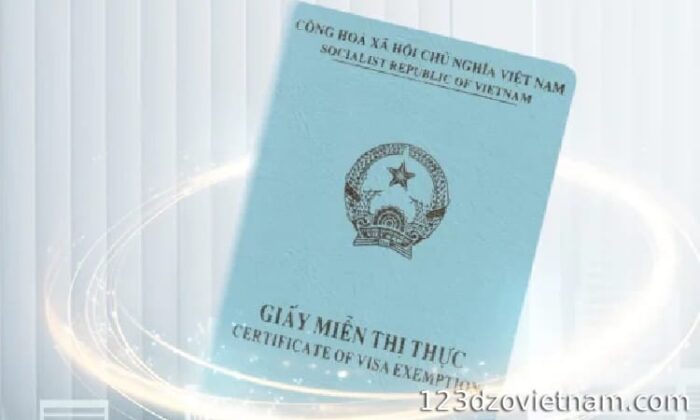
If you hold citizenship from an ASEAN member state, or from certain European countries, Japan, South Korea, etc., that appear on Vietnam’s visa exemption list, entering the country via land border is an extremely simple process.
Entering the country via land border is an extremely simple process
You simply need to present a valid passport at the border control counter to receive an entry stamp (typically valid for 15, 30, or 45 days, depending on your nationality).
Visa issued at an Embassy/Consulate:
This is the traditional type of visa, intended for cases requiring a long-term stay or involving specific purposes that are not fully covered by the E-visa system.
Visa issued at an Embassy/Consulate
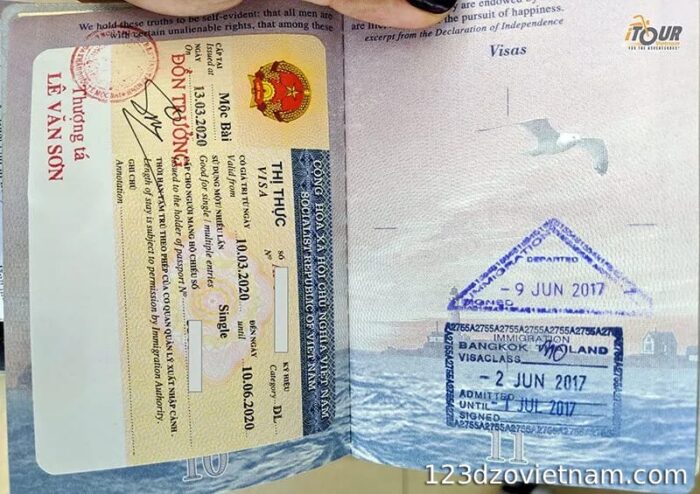
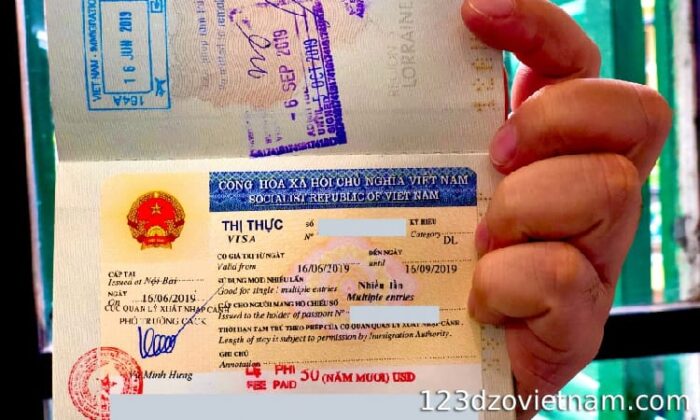
You will need to visit a Vietnamese diplomatic mission abroad to complete the necessary procedures and have the visa affixed directly to your passport. Upon arrival at a land border crossing, border control officers will inspect this visa stamp to process your entry.
Important warning regarding visa on arrival (VOA)
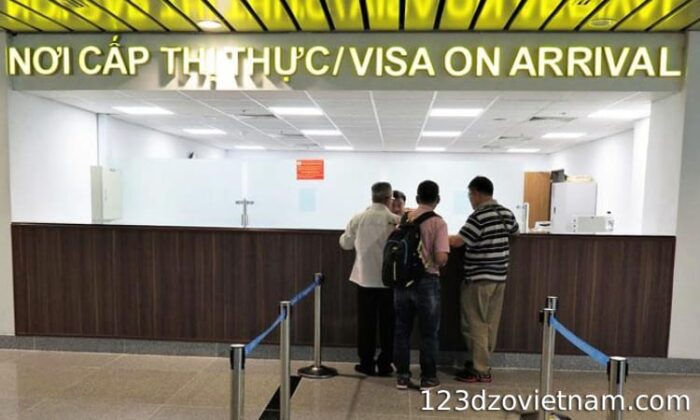
I must emphasize a critically important point to help you avoid getting stranded at the border: the “visa on arrival land border Vietnam” at Vietnamese land border crossings, specifically the type involving a pre-approved sponsorship letter followed by on-site visa stamping, is *not* valid for entry via land routes.
Important warning regarding visa on arrival (VOA)
This type is valid exclusively at international airports. If you present this approval letter at a land border crossing, border control officials will deny entry, as they do not have on-site visa stamping facilities like those found at airports. Therefore, it is crucial to strictly avoid confusing a Visa on Arrival (VOA) with an E-visa when traveling by land; furthermore, you must fully understand the specific Vietnam border entry requirements before commencing your journey.
List of Vietnam’s international land border crossings for foreign travelers
Based on my experience providing consultations and personally traversing various cross-border routes, I have found that selecting the right border crossing not only ensures a smooth journey but also saves a significant amount of travel time, a major question mark that frequently weighs on people’s minds when planning their trips.
List of Vietnam’s international land border crossings for foreign travelers
Currently, Vietnam has expanded its list to include dozens of international border gates where foreigners can enter using an E-visa; however, listed below are the most prominent and convenient options that I typically recommend:
Border
Border Gate Name
Provinces and Cities
Key Features
Vietnam–China
Huu Nghi
Lang Son
The largest transit hub, located just a three-hour drive from Hanoi, features modern infrastructure.
Mong Cai
Quang Ninh
Located near Ha Long City, making it convenient for tourists to combine their trip with a seaside getaway.
Lao Cai
Lao Cai
Directly connected to Yunnan (China) and situated right next to the tourist town of Sapa.
Vietnam – Laos
Lao Bao
Quang Tri
The busiest border gate in Central Vietnam is situated on the East-West Economic Corridor.
Cau Treo
Ha Tinh
A scenic route that is convenient for travelers traveling from the capital, Vientiane.
Vietnam – Cambodia
Moc Bai
Tay Ninh
The number one choice for the Phnom Penh–Ho Chi Minh City route, featuring a high frequency of cross-border passenger buses.
Ha Tien
Kien Giang
A prime location for travelers wishing to head to Phu Quoc immediately after leaving Cambodia.
Whichever border crossing you choose, one crucial reminder I always give my clients is to verify whether that specific crossing supports E-visas before applying online, as not all border entry points offer this facility. However, regarding the international border crossings mentioned above, you can rest assured, pack your bags, and set off with complete peace of mind.
05 Common mistakes when entering through border crossings
Based on my firsthand experiences in the border regions, I have observed that even a minor oversight regarding your documentation is enough to bring your journey to an immediate halt. To avoid unnecessary complications, you should pay special attention to steering clear of the following five mistakes:
05 Common mistakes when entering through border crossings
Attempting to use a Visa on Arrival at a land border: this is a major mistake, as this type of visa is issued exclusively at airports. If traveling by land, you are strictly required to possess either an E-visa or a pre-stamped visa.
Specifying the wrong entry/exit port on your E-visa: border control officers will only accept the exact entry/exit port you registered on your application form. An incorrect location will result in your entry being denied.
Failing to print a hard copy of your visa: do not rely solely on a digital copy saved on your phone; border control officers require a paper printout to cross-reference your details and physically stamp your documents.
Holding a passport with less than 6 months of validity: even if you possess a valid visa, if your passport does not meet the minimum validity requirement, you will inevitably be “turned away” right at the border.
Forgetting to check visa exemption conditions: each nationality is subject to a specific visa exemption duration (typically 15, 30, or 45 days). If you do not verify these details carefully, you run a high risk of incurring fines for overstaying your authorized period.
Conclusion
Mastering the procedures and selecting the appropriate visa, including the Vietnam land border visa, will make your entry journey via land crossings simpler and more cost-effective than ever before. We hope these practical insights serve as a useful roadmap, giving you the confidence to pack your bags and set out to discover the beauty of Vietnam, starting right from its borderlands.