How to book buses in Vietnam safely and clearly for travelers
When learning how to book buses in Vietnam, you can buy tickets at bus stations, via trusted agents, or online through official apps and websites. Always check departure time, bus type, ticket price, and contact info to ensure a safe and smooth trip.
When traveling in Vietnam, I found that using buses is a very popular and convenient way to travel, especially when traveling between cities such as Hanoi, Hue or Da Nang. I tried both the VIP seat and sleeper buses, and found the trip to be comfortable and easy to arrange, especially suitable for long journeys.
Why should you travel to Vietnam by bus?
When I was planning my trip to Vietnam, I considered many options: flying was fast but expensive, trains were slow and less flexible with small destinations, motorbikes were fun but tiring and sometimes dangerous for long distances. In the end, I decided to try taking buses between cities and tourist destinations.
Why should you travel to Vietnam by bus?
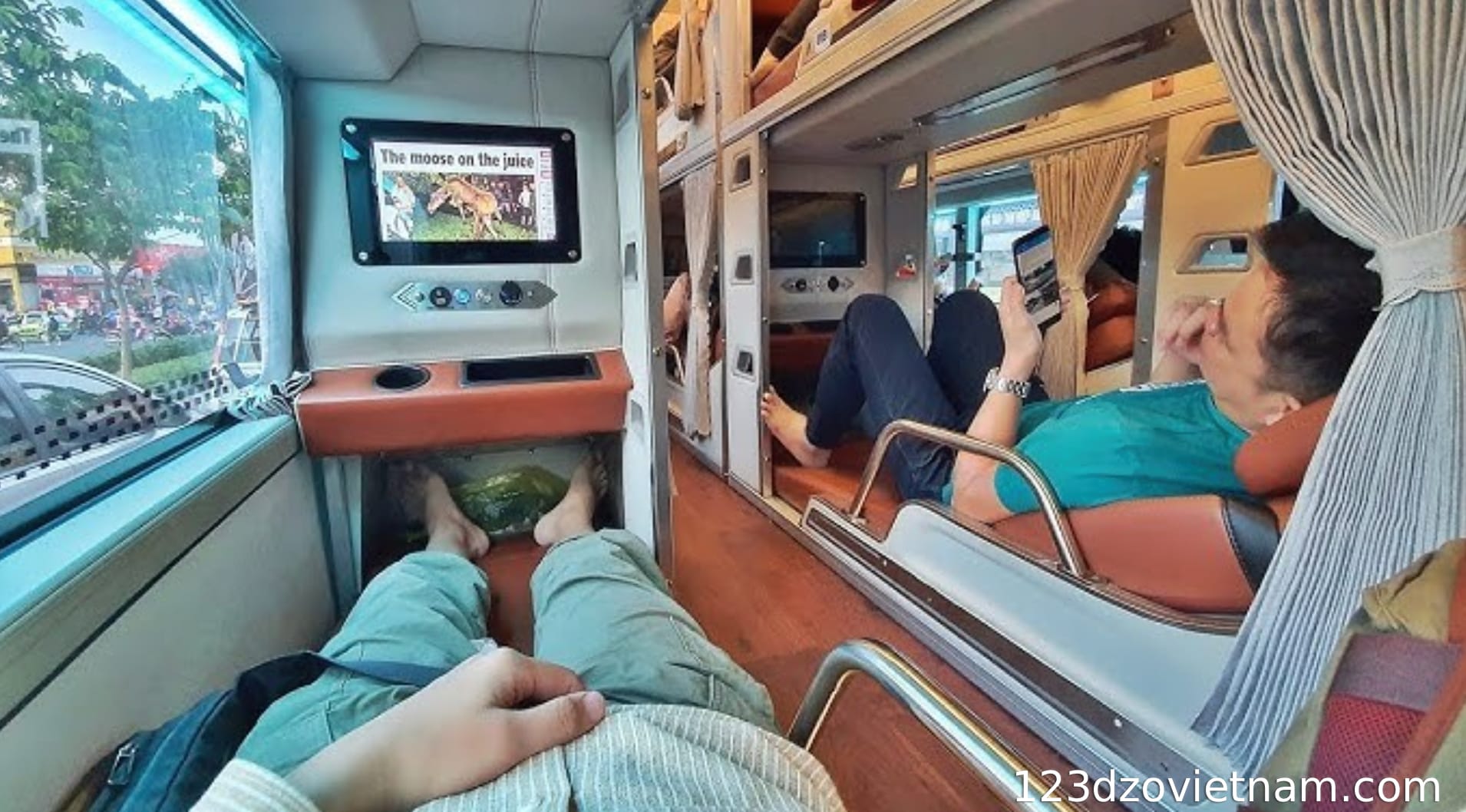
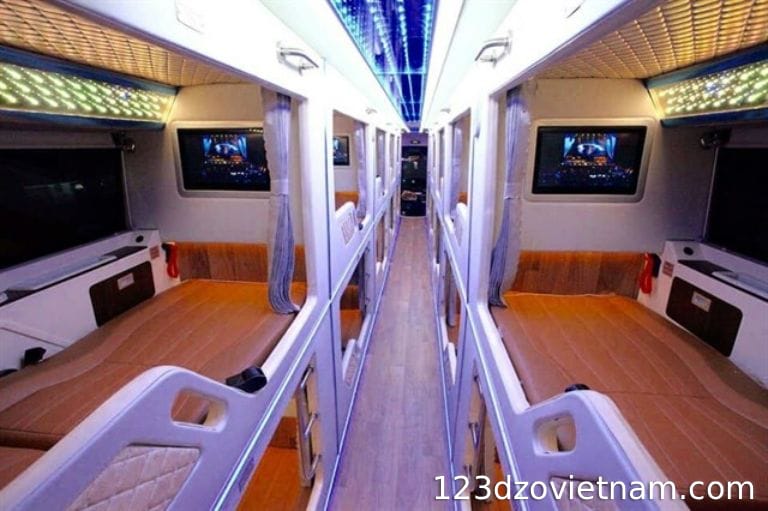
The trip from Hanoi to Ninh Binh was the first experience that surprised me: the VIP sleeper bus was spacious, clean, had cool air conditioning and enough space to store luggage. Along the way, I rested while admiring the scenery of mountains, rice fields, and felt the local life through the small towns that the bus passed through.
After that, I continued to try routes like Hue – Da Nang or Ho Chi Minh City – Nha Trang, and found that the bus allowed me to flexibly choose departure times, save costs, and was safer and more comfortable than other options.
Thanks to friends’ recommendations and reading through instructions from Vietnam travel review sites, I learned how to easily book tickets online, choose the right vehicle, and comfortably arrange my itinerary. The bus experience really made me feel close to the local lifestyle while still being as convenient as modern travel Vietnam.
03 steps to help you know how to book buses in Vietnam
Traveling by bus in Vietnam is a popular and convenient option, but to make your trip go smoothly, you should follow these 3 basic steps.
Step 1: Select route and vehicle type
First, you need to determine your departure and destination. I have tried many different routes: Hanoi to Ninh Binh, Hue – Da Nang, Ho Chi Minh City – Nha Trang and even Hoi An – Da Nang. Each route has many types of vehicles to choose from: seat bus, sleeper bus, VIP limousine or mini bus.
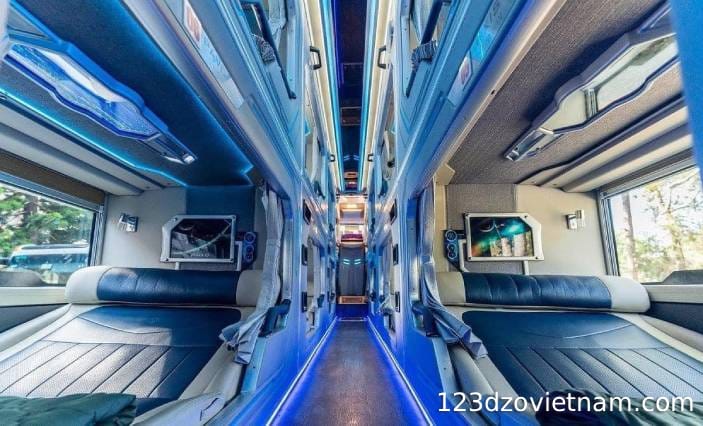
Choose vehicle type such as sleeper bus
On my Hanoi – Ninh Binh trip, I chose the VIP sleeper bus to have a comfortable resting space; and on the Hue – Da Nang route, I tried the limousine to experience the spacious seats and convenient service.
When choosing a car, I always carefully check the departure schedule, travel time, pick-up/drop-off points and car type, to ensure it is suitable for the itinerary, saving time and being comfortable for long trips.
Step 2: Choose a booking platform & make a booking
I learned about booking bus tickets through friends’ recommendations and reading many reviews on travel sites. There are many reputable platforms for international visitors: 12Go Asia, VeXeRe, Baolau, redBus, Easybook…
Each site has its own advantages: 12Go Asia is transparent and easy to use, VeXeRe has a variety of domestic bus routes, Baolau supports many payment methods, and redBus has an English interface that is very convenient for tourists.
Choose a booking platform & make a booking
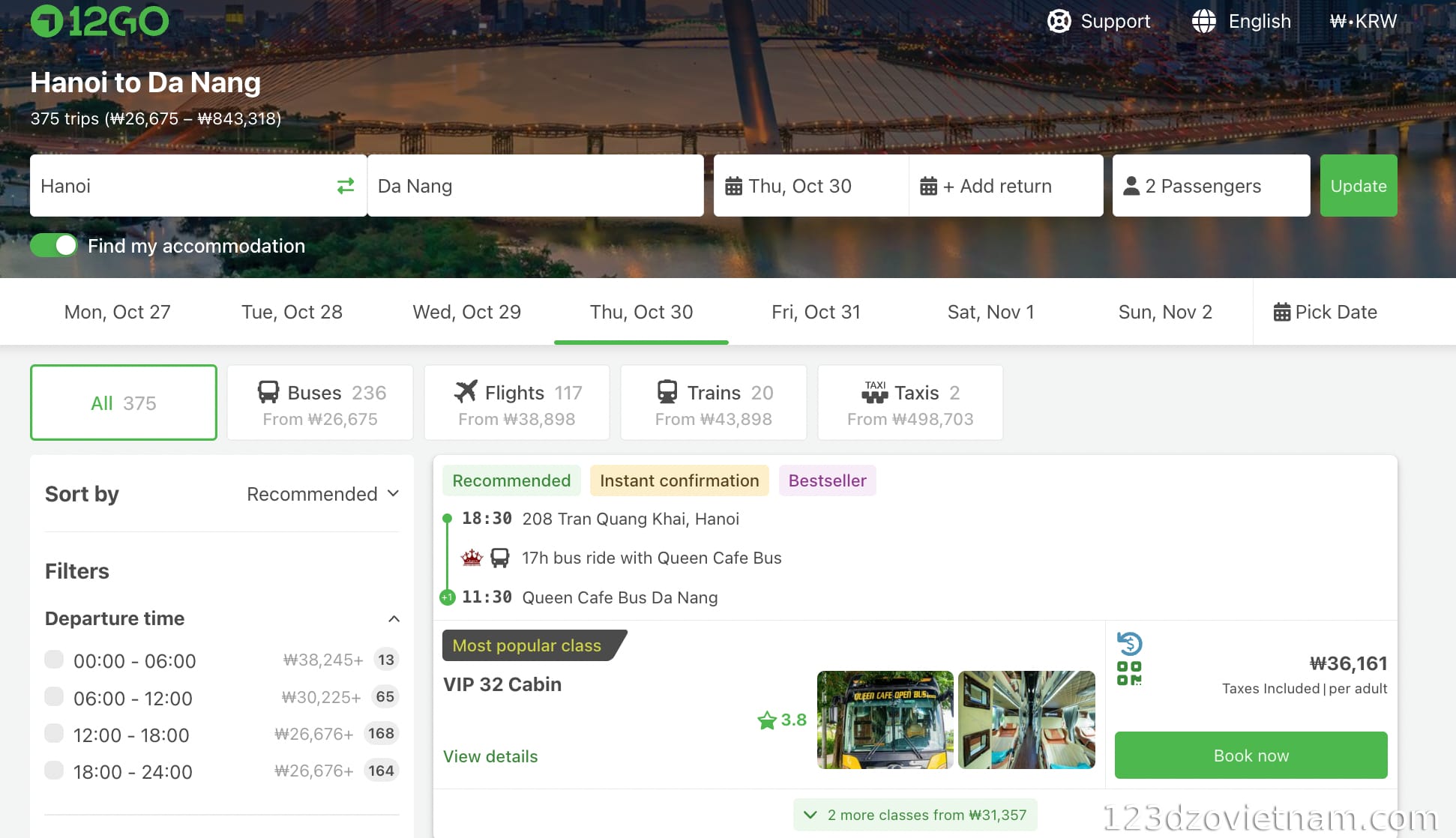
After some consideration, I decided to use 12Go Asia for most of my trips because of its intuitive interface, detailed information about the vehicle type, schedule, pick-up/drop-off points, and reviews from previous passengers. Best of all, this site has buses available at the exact time I want to depart.
The booking process was very smooth: go to the app, select “Bus”, enter the departure point, destination, date, choose the trip and pay with an international card. I immediately received the e-ticket via email and SMS, no need to print a paper ticket.
I was particularly impressed because the app also displayed vehicle images, seat maps and amenities, helping me choose the most suitable vehicle for each route while I was also researching how to get a taxi in Vietnam for shorter city trips.
Step 3: Payment & receive e-ticket
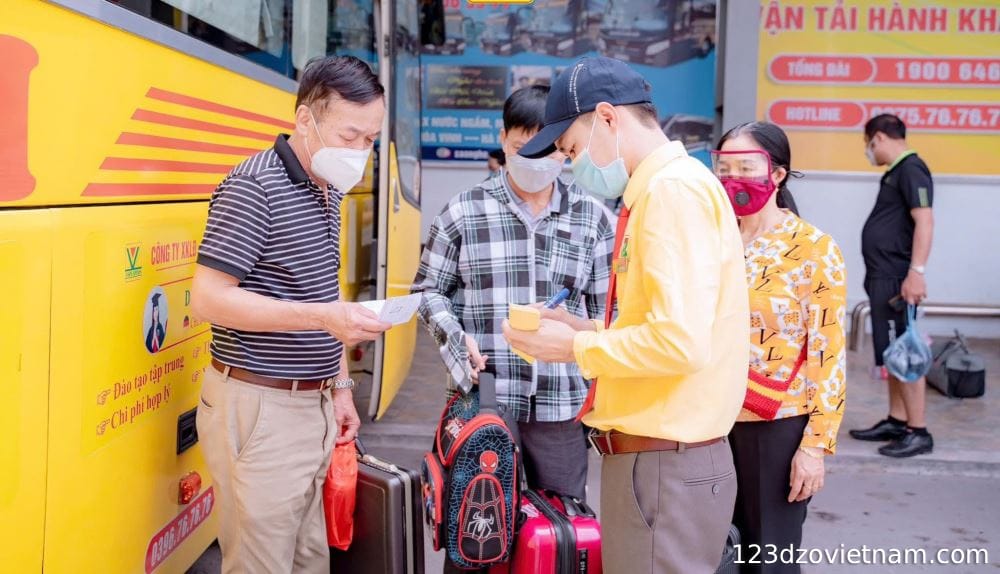
Most platforms accept payment by international cards, e-wallets or online transfers. When the day of departure arrives, I just need to show the e-ticket on my phone and be at the pick-up point 30-60 minutes in advance. Actual experience shows that the staff at the bus station gives very quick instructions, the bus departs on time, without any mistakes or problems.
Payment & receive e-ticket
Tourist bus fares in Vietnam are quite reasonable, usually ranging from 150,000 to 400,000 VND (about 6–16 USD) depending on the route, type of vehicle and time of booking. For long routes such as Ho Chi Minh City – Nha Trang, the price of a VIP sleeper ticket is about 350,000 VND, while shorter routes such as Hoi An – Da Nang are only about 100,000–150,000 VND. I find this price significantly cheaper than flying or renting a private car, but still ensures comfort.
Receiving e-tickets and paying online helps me save time and feel more secure than buying tickets directly. I can also track the vehicle, check the facilities and prepare suitable luggage before boarding, giving me a sense of initiative, convenience and comfort throughout the journey.
Experience of taking the bus in Vietnam
On the bus, the experience was really comfortable and pleasant. The VIP sleeper seats were spacious, with clean blankets and air conditioning, helping me to rest comfortably throughout the long journey. The staff on the bus were friendly, helping to guide passengers to their seats and check their luggage.
The passengers on the bus are very diverse: there are people on business trips, tourists, groups of young people, sometimes even small families. The atmosphere on the bus is quite quiet, everyone mostly keeps order, only chatting softly, creating a comfortable feeling without being noisy. On some routes, the bus is also equipped with charging sockets and personal reading lights, convenient for charging phones or doing light work.
Experience of taking the bus in Vietnam
What impressed me the most was that the journey was quite smooth, even though we went through some mountain roads or bumpy roads – the car ran steadily, without too much shaking, giving a feeling of safety. Occasionally the car stopped in the middle of the road for passengers to eat or use the restroom, but it did not affect the travel time much.
Overall, the combination of online payment, receiving electronic tickets and on-board experience helps me to be proactive about the journey, comfortable, save time, and at the same time feel the atmosphere and rhythm of life of other passengers on the same trip, creating a feeling of closeness and liveliness throughout the journey.
Notes when taking the bus in Vietnam
During my bus trips in Vietnam, I have learned some useful tips that will definitely help those who have never tried it have a smoother trip.
Notes when taking the bus in Vietnam
Book tickets in advance: For popular routes, I usually book 1-2 days in advance; if traveling during peak season such as Tet or summer holidays, it is best to book 1-2 weeks in advance to avoid running out of tickets.
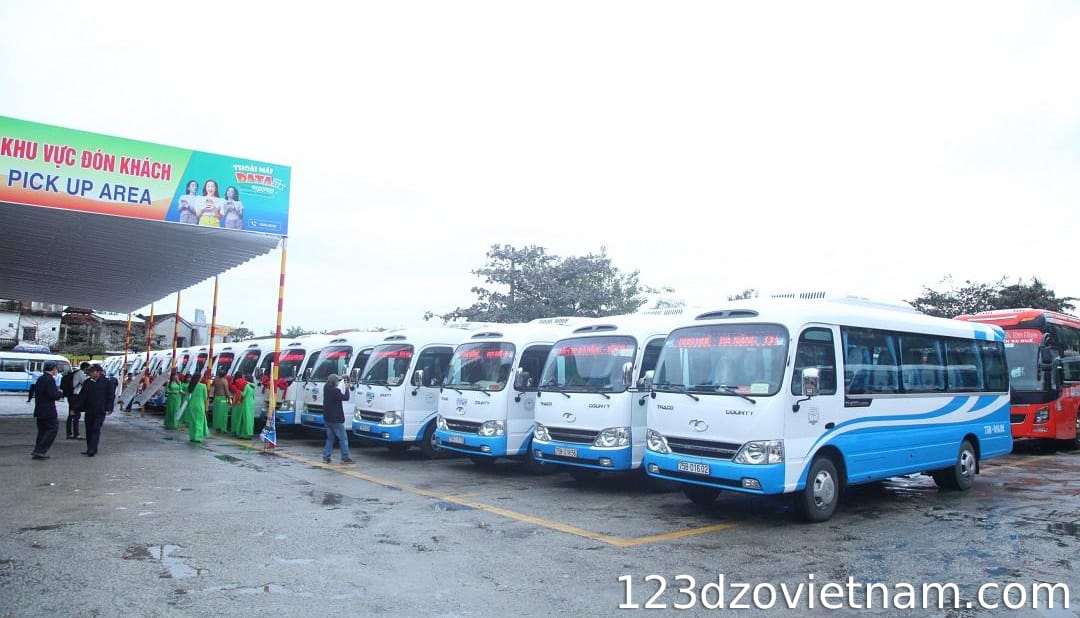
Check pick-up/drop-off points: Some tourist buses pick up at hotels, while inter-provincial routes depart from major bus stations. Before the trip, I always confirm the exact pickup point to avoid confusion.
Choose the right vehicle: Experience a VIP sleeper bus or limousine on a long journey that is much more comfortable than regular seats.
Pay attention to amenities: Air conditioning, blankets/duvets, and charging outlets are things I always check before choosing a car.
Prepare personal belongings: Headphones, snacks, and water are helpful, especially on night rides or long journeys.
Come early: I always arrive at the pick-up point 30–60 minutes early to check in and find my seat, to avoid feeling rushed.
Flexible time: I tineraries are sometimes delayed or changed due to roads, weather, or buses stopping to pick up passengers along the way – so leave extra time for your travel plan.
Conclusion
Understanding how to book a bus in Vietnam will make your journey much easier and more enjoyable. Buses are not only a cost-effective means of transport but also offer the opportunity to explore the landscape, people and culture of Vietnam in the most intimate way. If you are looking for a convenient and authentic travel experience, try starting your journey by bus – a simple but interesting means of transport in Vietnam.