How long can I stay in Vietnam with a visa? Main 6 visa types
How long can i stay in Vietnam with a visa? Foreigners can stay from 1 month to 5 years depending on the type: tourist (1-3 months), business (1-12 months),…
From my experience, knowing the duration of stay in Vietnam according to each visa type is extremely important. This helps me avoid the risk of overstaying, proactively plan my travel and know exactly how long I can stay in Vietnam to avoid problems with immigration procedures.
Classification of 06 common types of Vietnam visas and length of stay
During my many visits and stays in Vietnam, I have realized that each type of visa has very different regulations regarding the length of stay, how to apply and the purpose of use. Understanding the 6 most common types of visas not only helps me choose the right visa from the start but also avoids problems such as overstaying, urgent extensions or having to leave the country without planning.
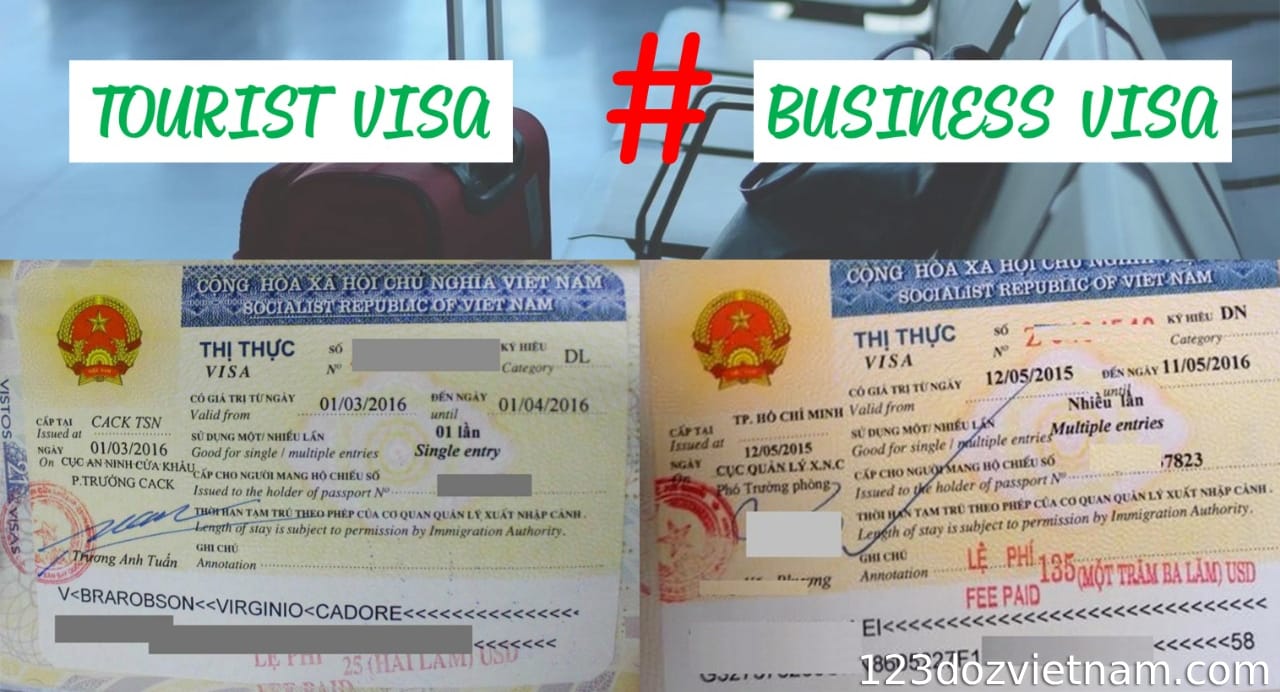
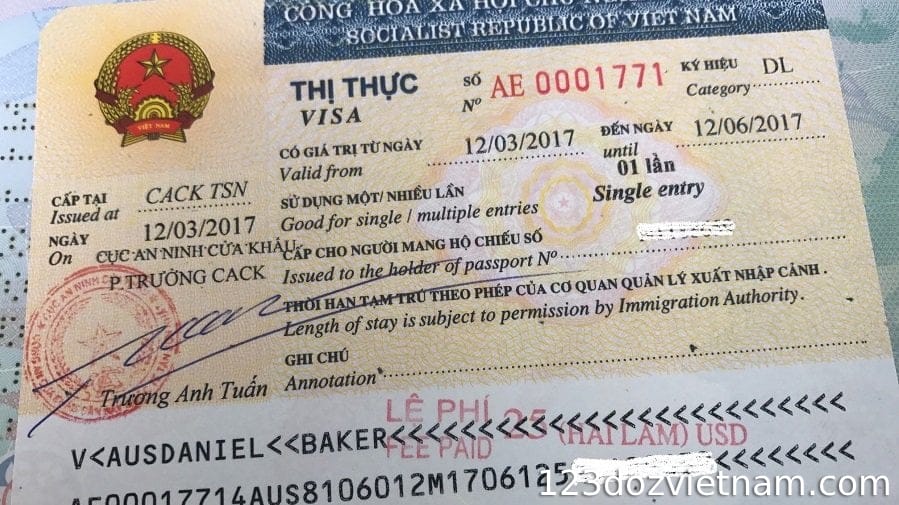
#1. Tourist Visa (DL) | Maximum 3 months
Tourist visas are the type I used most often during my first visits to Vietnam. They are usually valid for 30–90 days and I can choose to enter once or multiple times depending on my itinerary.
Tourist Visa (DL) | Maximum 3 months
The application process is quite simple:
Fill out the visa application form, provide a photo and passport, then:Submit directly to the embassy. Obtain an approval letter to get the visa stamped at the airport.
Processing time: Usually 3–7 days, sometimes faster with an additional service fee.
Fee: Ranges from $25–$50 depending on the type of visa.
Note: Check the expiration date carefully to avoid overstay fines.
#2. Business visa / labor visa / e-visa multiple (DN / LĐ / EVISA multiple) | Maximum 1 year
When I started working in Vietnam, I applied for a work visa and found that this type of visa is much more stable than a tourist visa. The maximum validity is up to one year and allows me to enter multiple times, which is convenient for my work.
Business visa / labor visa / e-visa multiple
The application usually requires:A business invitation letter, or awork permit, or aconfirmation of not being subject to a permit.
Processing time: Approximately 5–10 days.
Fee: Varies depending on the country and the type of application.
From my experience, this is the visa that brings the most comfort when needing a long-term stay for work, survey, or business cooperation, and it also helps clarify differences compared to procedures like how to get a tourist visa for Vietnam.
#3. Study Visa / Study Abroad (DH) | 1 year or more
DH visas are usually issued for a minimum of one year and can be extended depending on the length of the course. Although I have not applied for them myself, my friends have told me that the application is quite complete, including a letter of admission, qualifications and financial proof.
Study Visa / Study Abroad (DH)
Processing time:Approximately 7–10 days at the embassy.
Extension: can be easily extended if the student continues their program in Vietnam.
Suitable for: Students staying long-term to study Vietnamese, attend university, or participate in professional training courses.
Additional benefit: Helps clarify questions like “how long can you get a visa for Vietnam” for students planning their study timeline.
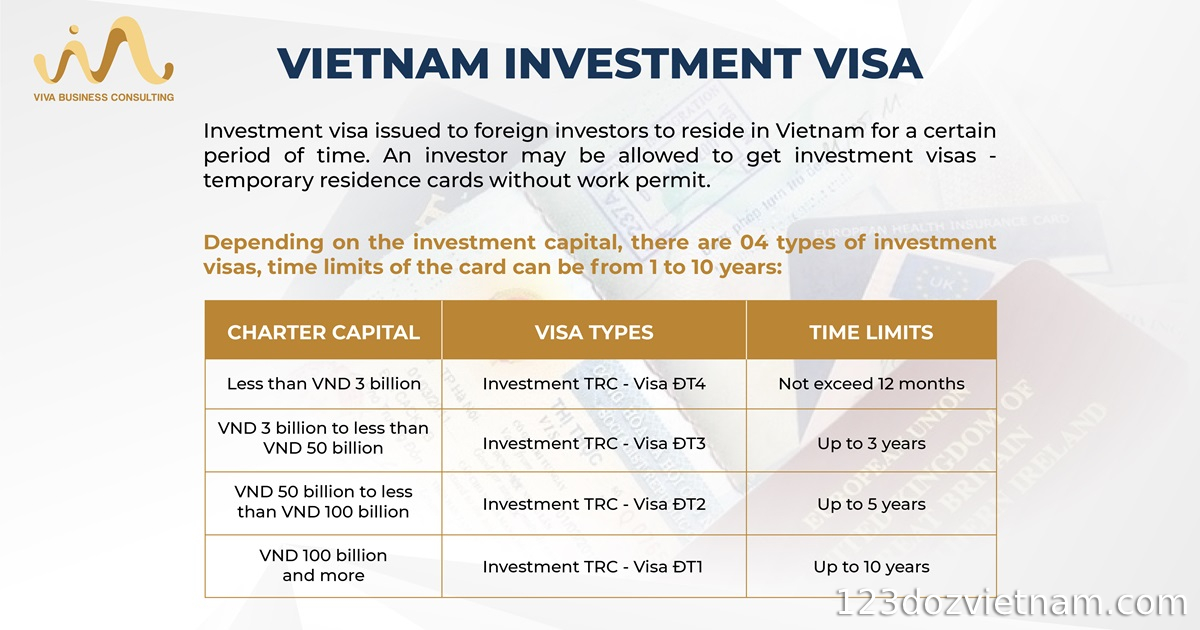
#4. Investment Visa (DT1 – DT4) | Maximum 5 years
This is the longest-term visa I have ever encountered when supporting foreign partners. Investment visas are issued in four groups, with a maximum term of up to 5 years depending on the capital contribution or type of investment. The application requires quite a lot of documents such as Business Registration Certificate, Investment Registration Certificate and proof of capital contribution.
Investment Visa (DT1 – DT4)
Processing time: Usually 7–15 days.
Fee: Varies depending on the visa term (1–5 years).
Popularity: Commonly used by businessmen.
Benefits: Allows flexible entry and exit from Vietnam and helps maintain stable business operations..
#5. Visitor Visa (TT) | Maximum 1 year
TT visas are very popular with people whose spouses or relatives are Vietnamese citizens or are legally residing in Vietnam. Although I have never used one, my acquaintances shared that this type of visa is issued for a maximum of one year and is quite easy to extend if a longer stay is required.
Visitor Visa (TT)
Required documents: Marriage certificate or birth certificate to prove the relationship, letter of sponsorship from a relative in Vietnam
Processing time: Approximately 5–7 days
Cost: Average, depending on the country
Suitable for: Family reunification, staying with relatives
Additional benefit: Helps answer questions like “how long can you get a visa for Vietnam” for those planning a longer stay with family
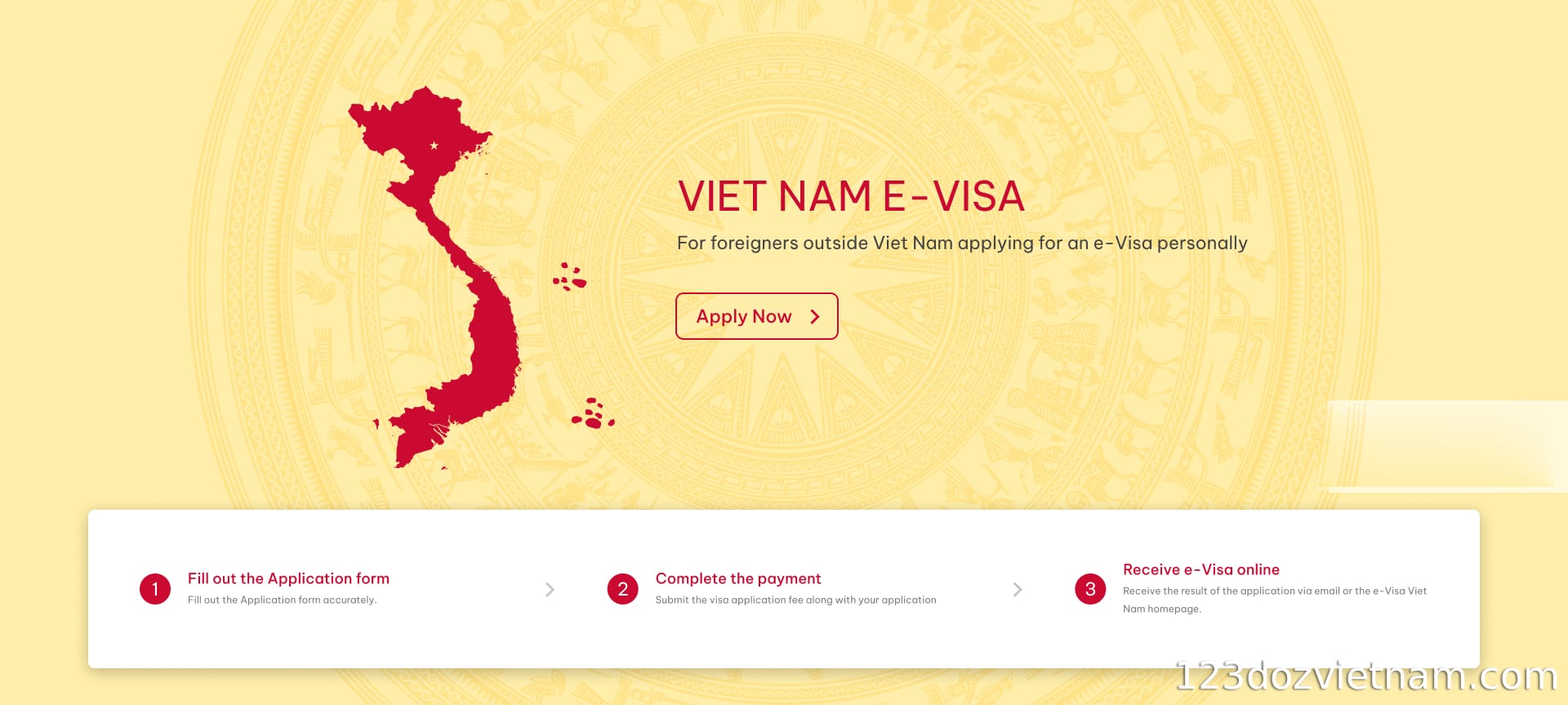
#6. Vietnam E-visa (electronic visa) | 90 days
E-visa is the most convenient visa I have ever helped my friends apply for because the entire process is done online. The maximum validity is 90 days, you can choose single or multiple entries, and the results are returned via email within 3-5 working days.
Vietnam E-visa (electronic visa)
Fixed fee: 25 USD for single entry, 50 USD for multiple entry
Who it’s suitable for: Travelers, short-term workers, or those needing urgent entry to Vietnam
Advantages of E-visa: Fastest option, no need to visit the embassy, only requires a passport valid for at least 6 months
Popularity: Widely used due to its convenience and reasonable cost
How to calculate visa duration and regulations on overstaying
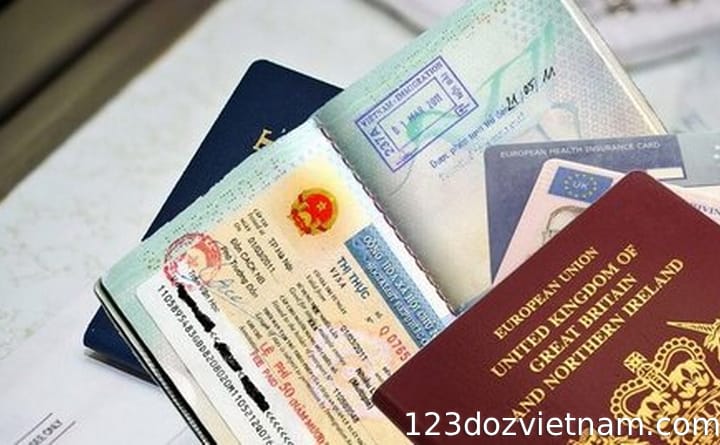
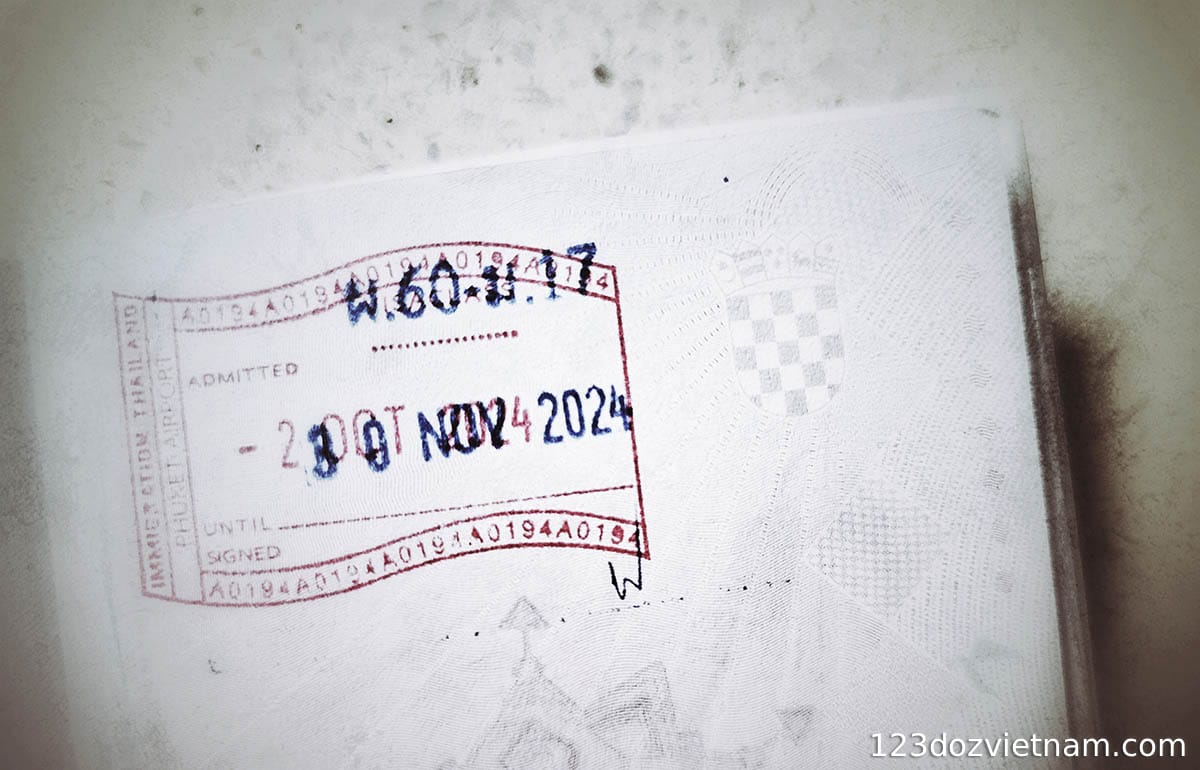
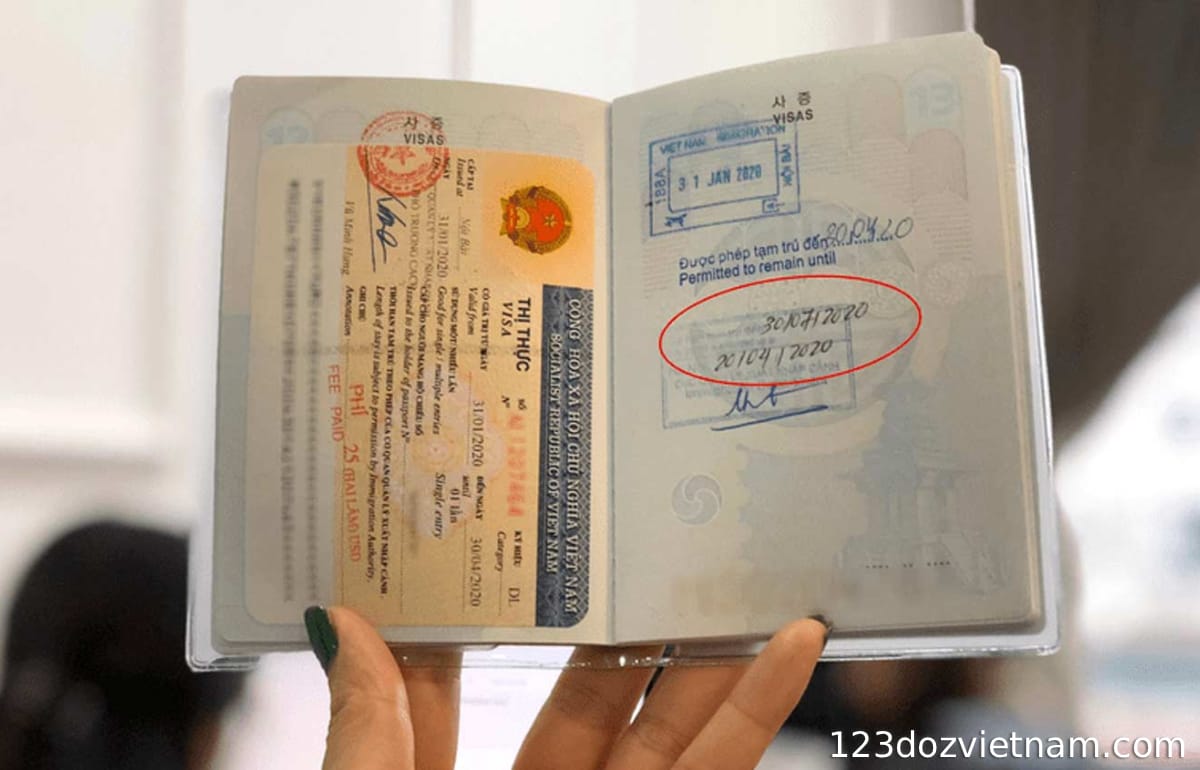
Based on my experience, the validity of a Vietnam visa is always calculated from the date I enter the country and receive the stamp in my passport, not the date the visa is issued. If I have a 30-day visa and enter on June 1, the expiry date will be June 30. I usually check this expiry date right on the entry stamp or in the electronic visa file to make sure there is no mistake.
How to calculate visa duration
When I want to extend my visa, I have to submit my application through a service unit or directly at the Immigration Department/Office. The procedure usually takes 5–10 working days depending on the time, and the cost varies according to the type of visa and the extension period.
If I need to reissue or convert my visa, for example, change to a new passport, I only need to submit an application for visa value transfer, the fee is about 5 USD. These steps are especially important for anyone who needs clarity on questions like “How long can I stay in Vietnam with a visa?”, ensuring they follow the correct procedures and avoid overstaying.
I once witnessed a friend overstaying his visa by 3 days, and the penalty was quite clear: under 16 days, the fine was from 500,000 to 2,000,000 VND. If it was longer, like 16 – 30 days, the fine could increase to 3 – 5 million VND; and 30 – 60 days, the fine could be up to 10 million VND. Therefore, I always pay attention to the expiration date to avoid risks, especially when the schedule changes suddenly.
Notes when applying for a Vietnam visa for foreigners
I have personally applied for a Vietnam visa and helped friends prepare their documents, so I have found that knowing the important details will help the application process go smoothly and avoid trouble at the border. For anyone planning to travel Vietnam, below are some detailed notes that foreigners should consider before applying for a visa:
Notes when applying for a Vietnam visa for foreigners
Choose the right visa type according to the purpose of entry: Tourist, business, work, family visit, investment or e-visa visas all have their own requirements regarding documents, length of stay and number of entries. Choosing the wrong type can result in your application being rejected.
Valid passport with enough blank pages: Passport must be valid for at least 6 months and have at least 2 blank pages for visa stamps. If your passport is about to expire, you should renew it before applying for a visa.
Prepare full documents: Including 4×6 cm white background photo, visa application form, invitation letter or proof of relationship (if it is a business or family visit visa), confirmation of accommodation, return air ticket. Incomplete documents will be requested or rejected.
E-visa has some limitations: Only citizens on the list of citizens eligible to apply for an e-visa can apply online. Those who are not on the list must apply for a visa directly at the immigration office.
Application processing time: Visas usually take 3–7 business days, but may take longer during peak tourist seasons or holidays. Plan ahead to avoid delays to your travel plans.
Check visa information: After receiving your visa, carefully check the start date, end date, number of entries, and visa type. Entering early or late may result in refusal or a fine.
Preservation of soft copy and hard copy: For e-visa, you need to save the soft copy on your phone and print it out to present at the border gate to avoid wasting time during inspection.
Visa extension:If you plan to stay longer than your visa expires, you must apply for an extension before it expires. Some visas cannot be extended for long periods of time, so check the regulations for each type.
Do not edit visa information yourself: Altering information on a visa, passport or related document is against the law and may result in refusal of entry or penalties. Note on fees and charges: Prepare the required fees to avoid delays; visa fees vary, from $25 for a single-entry tourist visa, to $155 for a long-term multiple-entry visa.
Conclusion
Understanding the validity of a Vietnam visa and answering the question “How long can I stay in Vietnam with a visa?” helps foreigners plan their stay appropriately, avoiding breaking the law and being fined. Preparing complete documents, checking information carefully and knowing how to extend when necessary will help make your journey in Vietnam more convenient and safer.